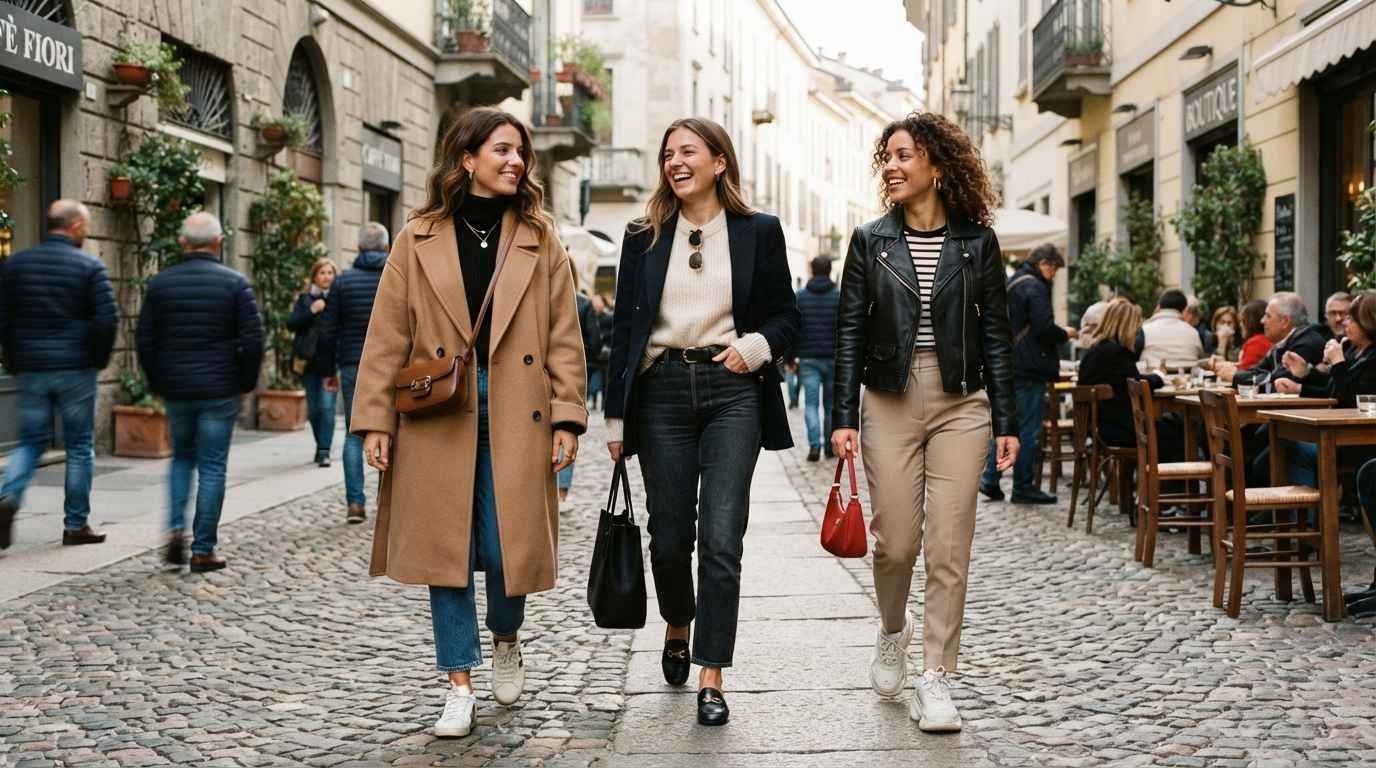
I spent a week in Florence three summers ago with exactly one carry-on suitcase, and I came home rethinking my entire closet.
Not because the clothes were expensive. Half the women I saw were wearing the same three basics on repeat. They just knew how to wear them.
That’s the real secret behind Italian street style. It’s not about buying more.
It’s about buying right, then wearing it with a kind of confidence that no amount of shopping can fake.
Pin any of these ideas to your board and you’ll have a starting point for building a wardrobe that actually lasts.
Why Italian casual style works so well
Italian women grow up around tailoring. Their grandmothers had a sarta (a local seamstress), and that habit of caring about fit never really left the culture.
So even a plain white shirt gets worn like it was made for the body wearing it.
I noticed this constantly on that trip. Nobody looked overdressed, but nobody looked sloppy either.
The whole vibe sits in that middle ground: put-together without trying too hard.
Fashion writers who cover the region often point out that the look shifts from city to city,
Milan reads sharper, the south reads breezier, but the one constant across all of it is quality over quantity.
1. The oversized blazer over everything
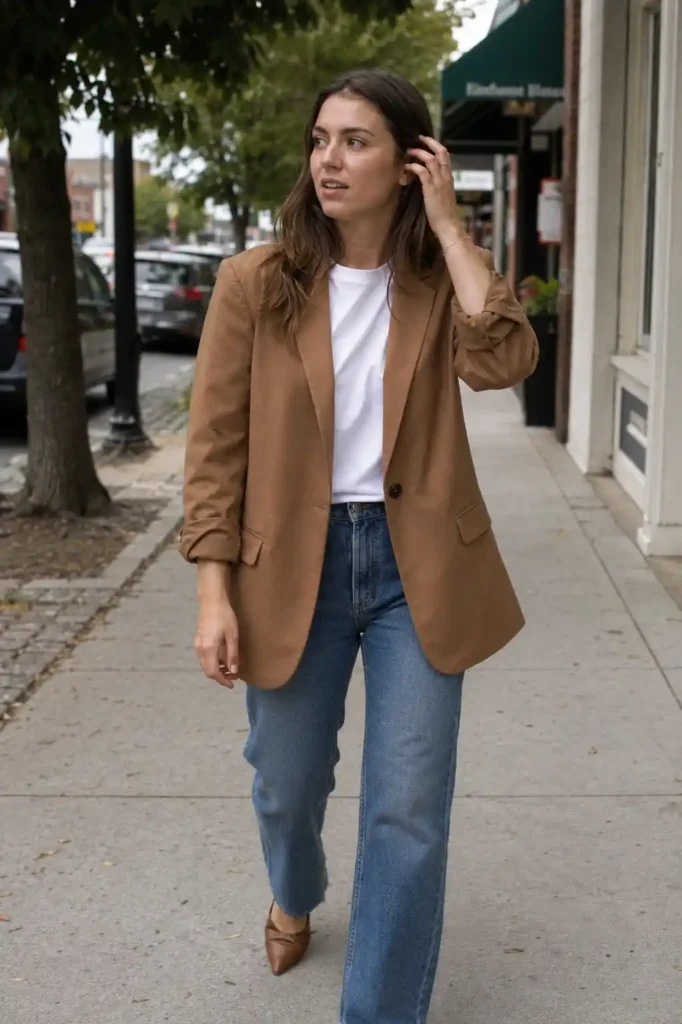
A structured blazer, one size too big, thrown over a plain tee and jeans. That’s it. That’s the whole outfit, and it works every single time.
I bought a caramel-colored blazer from a secondhand shop in Rome for less than 20 euros.
I still wear it more than almost anything else I own. Roll the sleeves once, add a belt if you want definition at the waist, and you’re done.
2. Crisp white shirt, unbuttoned just enough
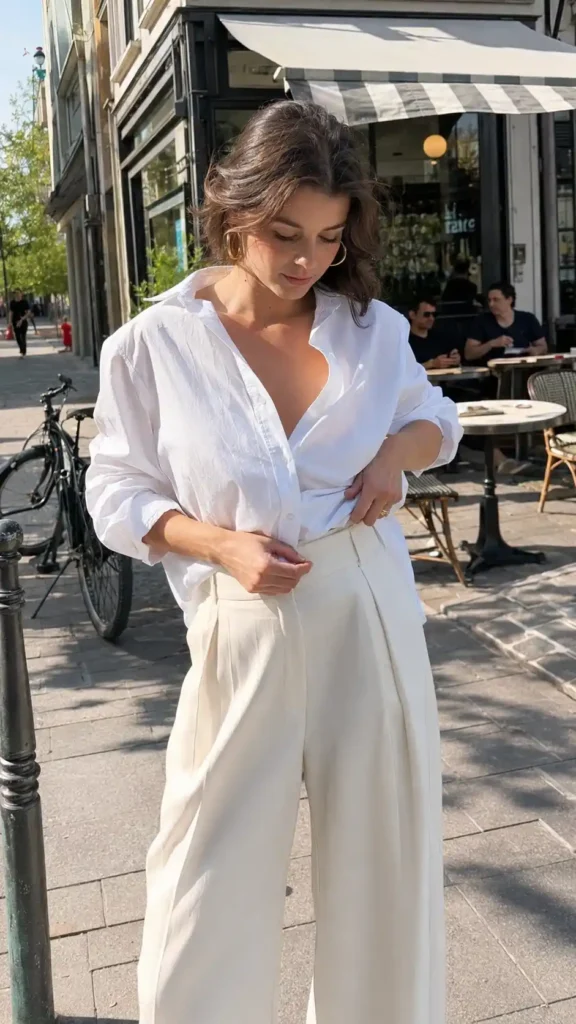
The white button-down is basically a uniform piece in Italy, and IMO it deserves the hype.
Tuck it into wide-leg trousers, leave the top two buttons open, and add gold hoops.
Key tip: buy it slightly oversized rather than fitted. The relaxed shoulder line is what makes it read as effortless instead of corporate.
3. Wide-leg trousers with a fitted top
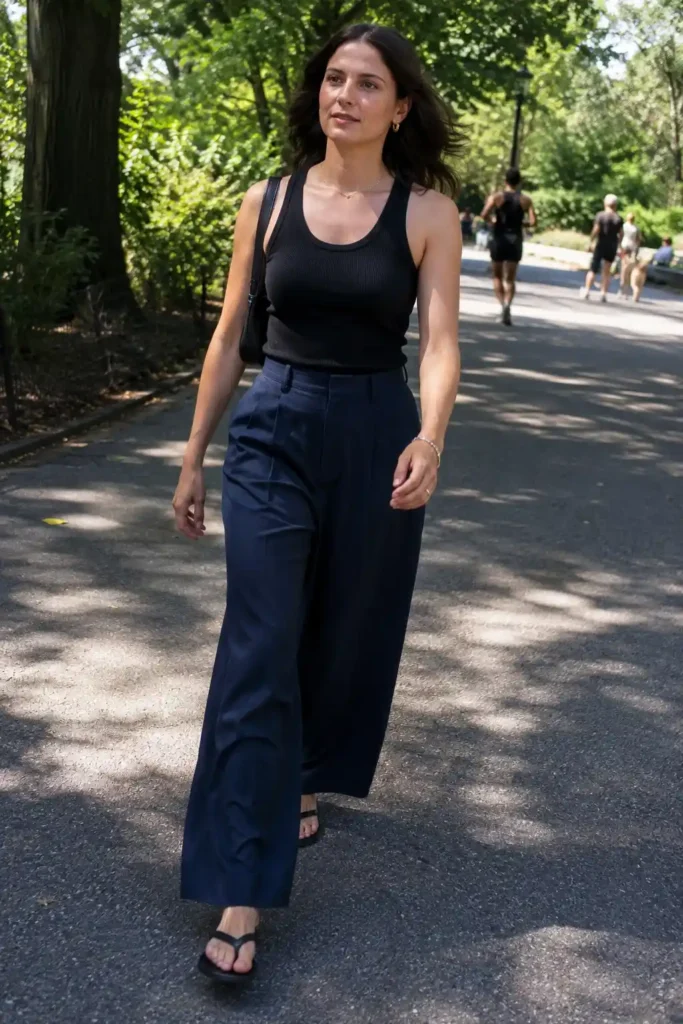
Balance is everything in Italian dressing. When the bottom half is loose, the top half gets fitted, and vice versa.
A pair of high-waisted, wide-leg trousers paired with a snug ribbed tank does exactly that.
I used to avoid wide-leg pants because I thought they’d make me look shorter. Wrong assumption on my part.
Once I found a pair that hit right at the ankle, the whole silhouette lengthened out.
4. The midi skirt and loafer combo
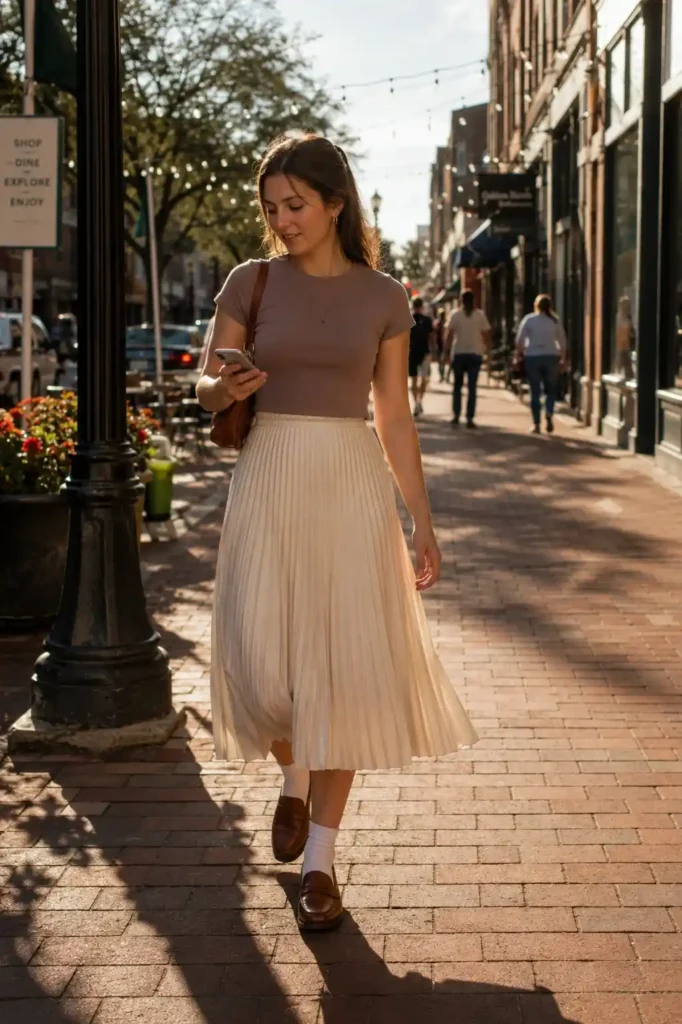
Skip the heels for a second. A pleated midi skirt with leather loafers and cropped socks is one of those looks that photographs beautifully and feels genuinely comfortable to walk in for hours, which matters if you’re covering cobblestones all day.
5. Monochrome dressing, one shade at a time
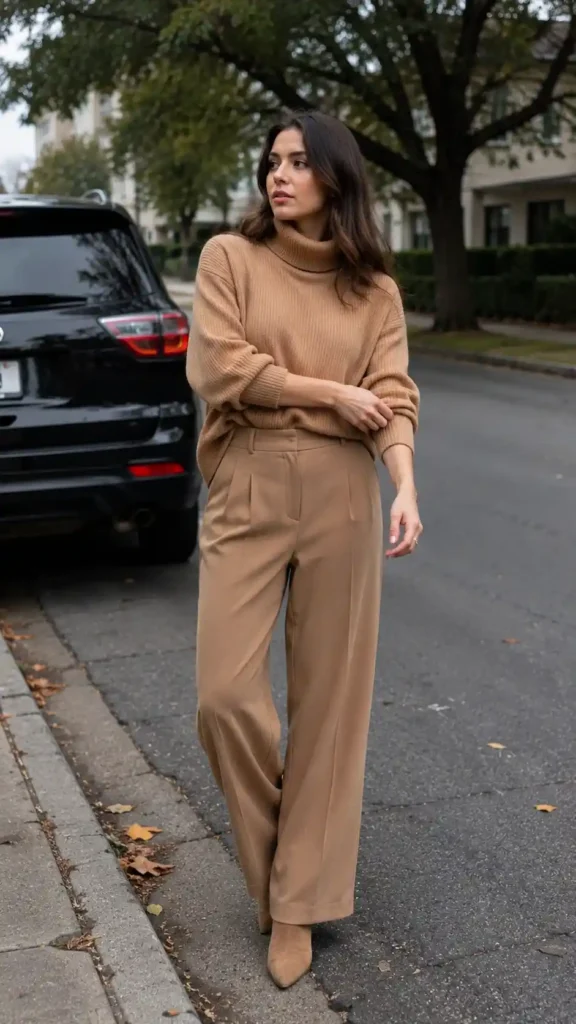
Head-to-toe camel. Head-to-toe navy. Head-to-toe olive.
Monochrome outfits look intentional and expensive even when every piece came from a different discount rack.
Ever notice how a single-color outfit photographs better than a busy one?
There’s less visual noise competing for attention, so the eye goes straight to the silhouette and the texture instead.
6. Denim on denim, done carefully
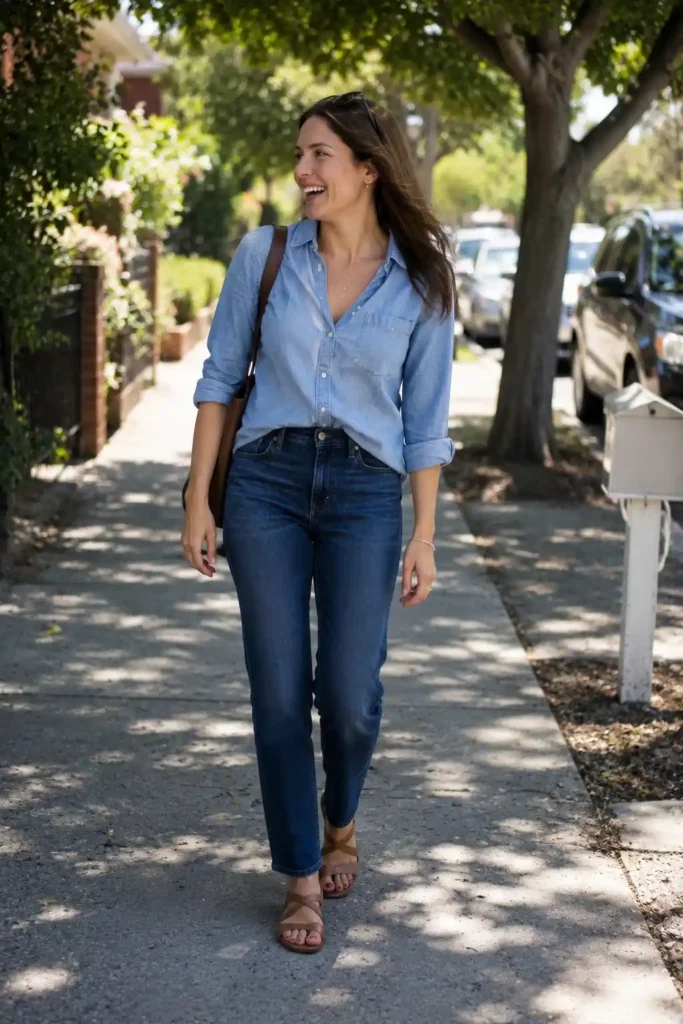
Double denim gets a bad reputation, but Italian styling proves it can work when the washes are different.
Pair a dark indigo jean with a lighter chambray shirt, or go the other way around.
The trick is contrast. Match the shades too closely and it starts to look like a costume rather than an outfit.
7. A silk scarf tied on the bag, not the neck
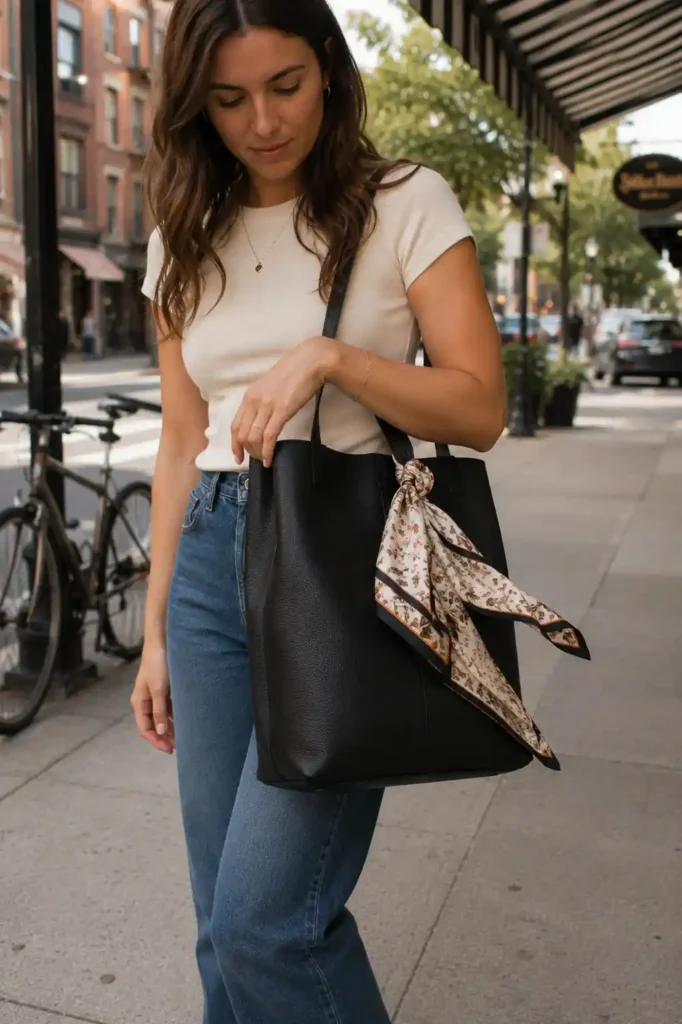
This one surprised me. Instead of wearing scarves around the neck, plenty of Italian women tie them to their handbag handles instead.
It adds a hit of pattern without competing with the rest of the outfit.
I tried this with an old scarf that had been sitting in a drawer for years. Suddenly it had a purpose again, and my plain black tote looked twice as interesting.
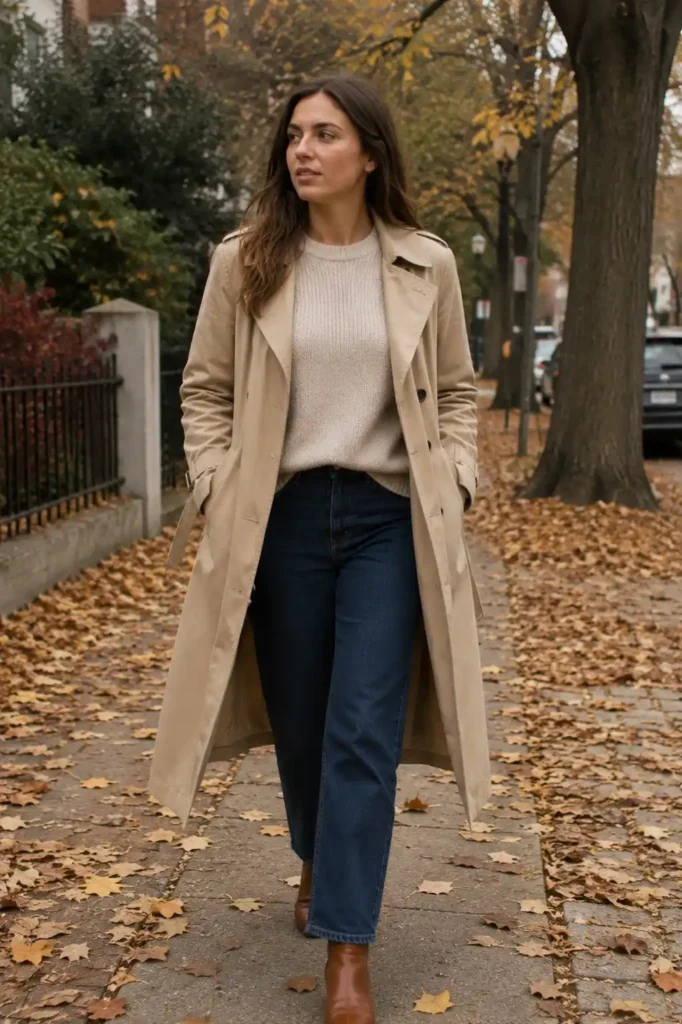
8. The trench coat as a year-round layer
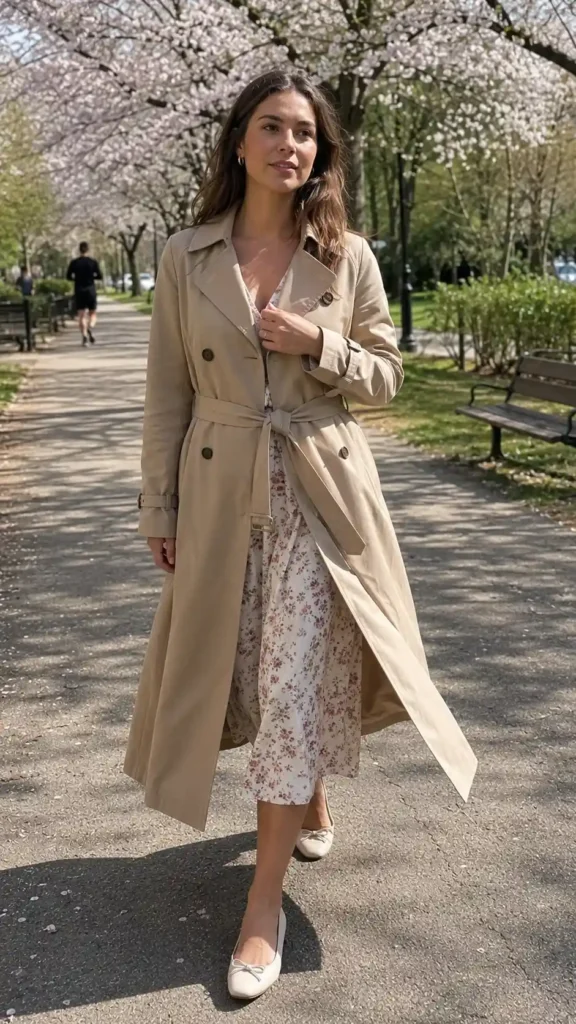
Trench coats aren’t just for rainy days here. Belted over a dress in spring, layered over a sweater in fall, thrown over shorts on a cool summer evening.
It’s one coat doing four seasons of work.
| Season | How to style the trench |
|---|---|
| Spring | Belted over a floral dress |
| Summer | Open, over shorts and a tank |
| Autumn | Layered above a chunky knit |
| Winter | Paired with wool trousers and boots |
9. Statement sunglasses as the whole accent
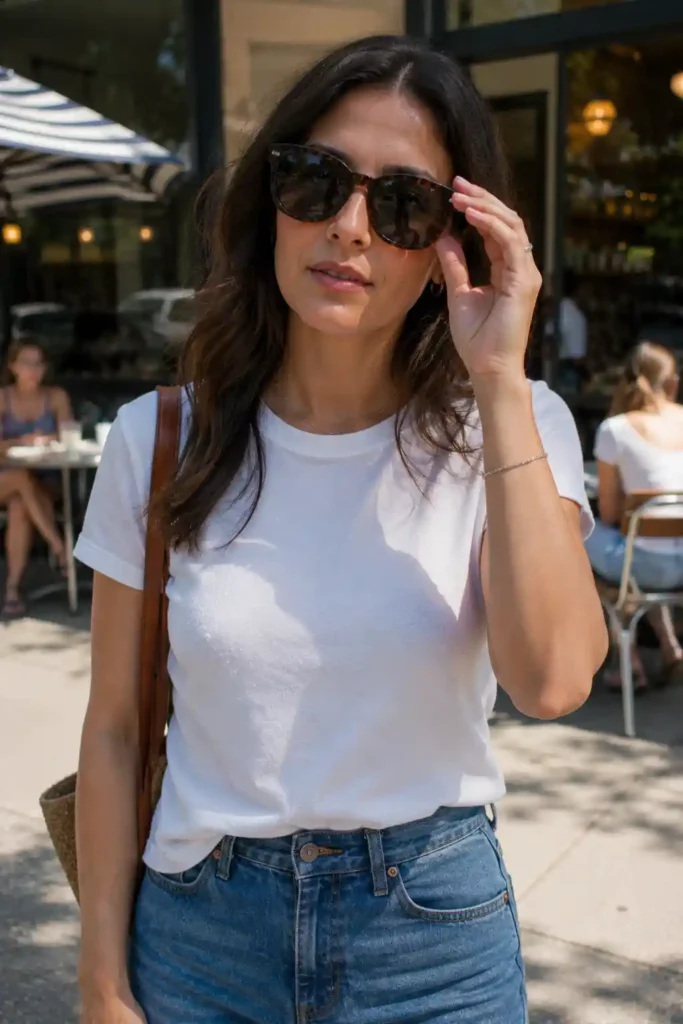
One bold accessory, everything else kept simple.
Oversized sunglasses do a lot of heavy lifting for an otherwise minimal outfit, and they’re the fastest way to look pulled together on a day when you genuinely didn’t try that hard.
10. Knit sets that don’t match perfectly
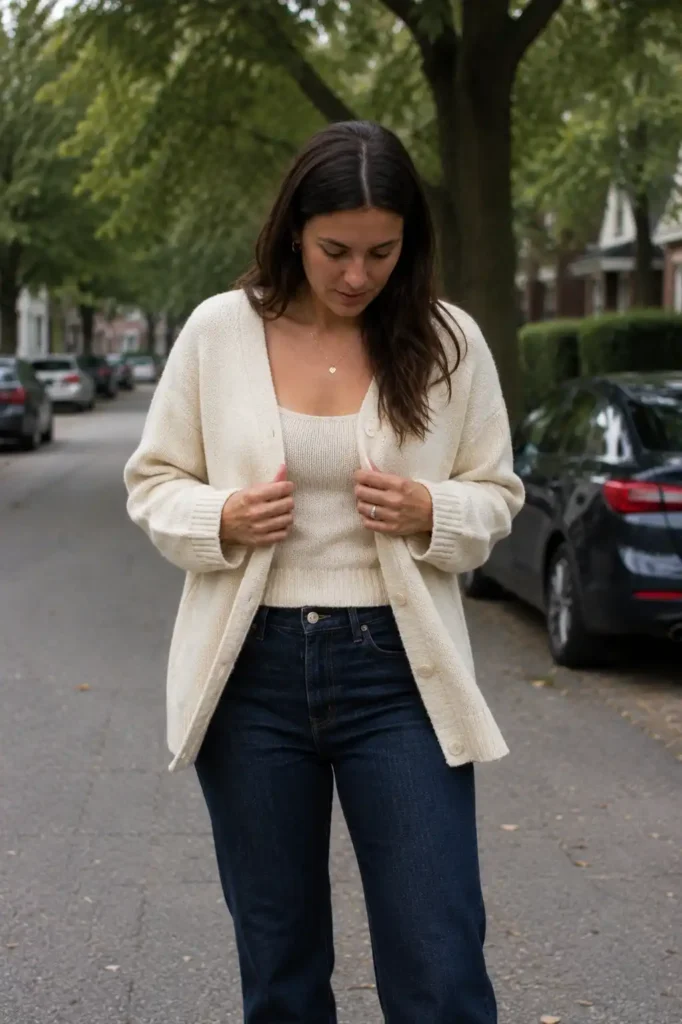
Matching knit co-ords are everywhere right now, but the Italian version usually breaks the set on purpose.
Wear the cardigan with different trousers, or pair the knit top with a skirt instead of the matching bottoms.
FYI, this also makes the pieces feel like two separate items in your closet instead of one outfit you can only wear together, which stretches your cost-per-wear in a real way.
11. Espadrilles for warm-weather errands
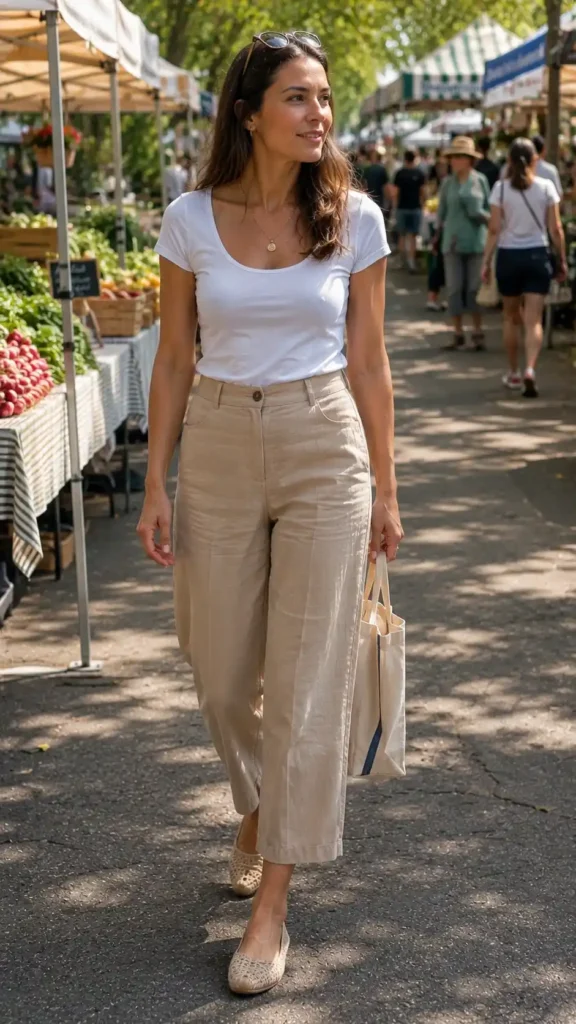
Comfortable, breathable, and somehow still stylish. Espadrilles show up constantly in warmer months, paired with cropped linen trousers or a simple sundress.
This is a small detail, but it matters if you’re on your feet a lot: it means practical footwear doesn’t have to look like an afterthought.
12. A structured tote in one neutral color
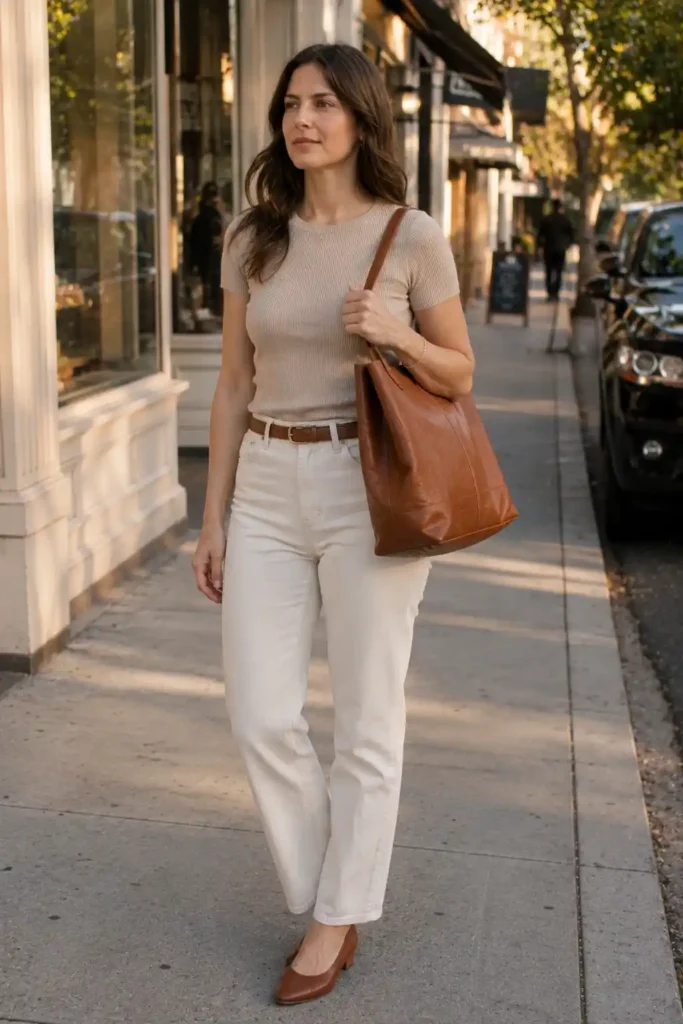
Not the logo bag. Not the trendy micro bag either.
A structured leather tote in tan, black, or cognac shows up again and again because it goes with literally everything and ages well.
I bought a mid-range tote in 2021 and it still looks brand new. Cheap bags fall apart within a year, so this is genuinely one area worth spending more.
13. Layered gold jewelry, kept thin
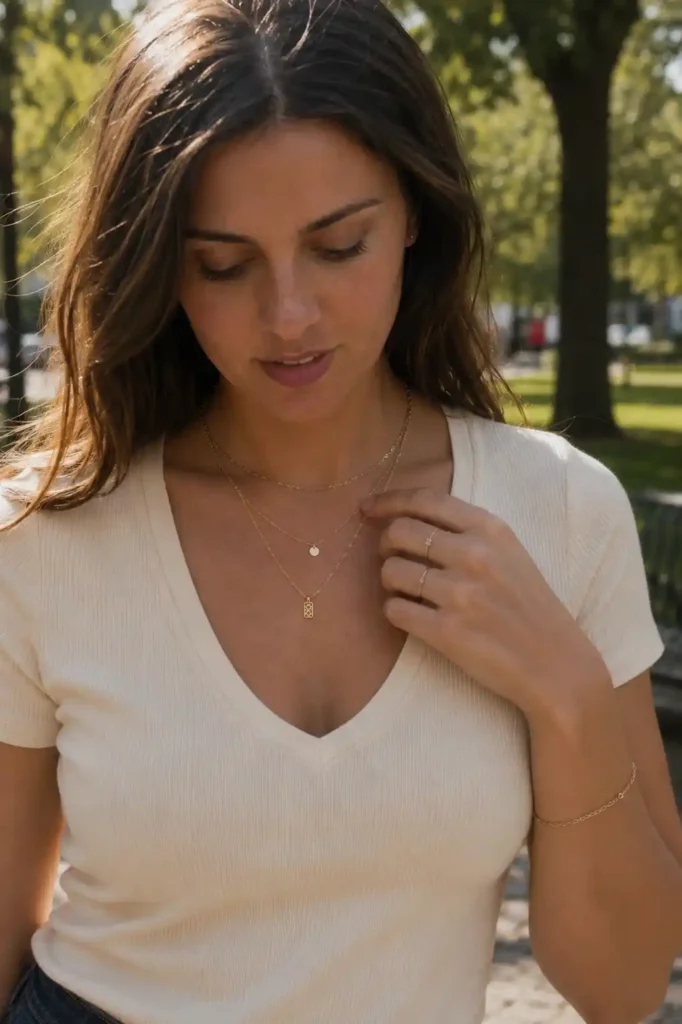
Delicate gold chains, stacked two or three at a time, rather than one chunky statement piece.
It’s a quieter kind of jewelry, and honestly, it photographs better in natural light than anything oversized.
14. The classic Breton stripe
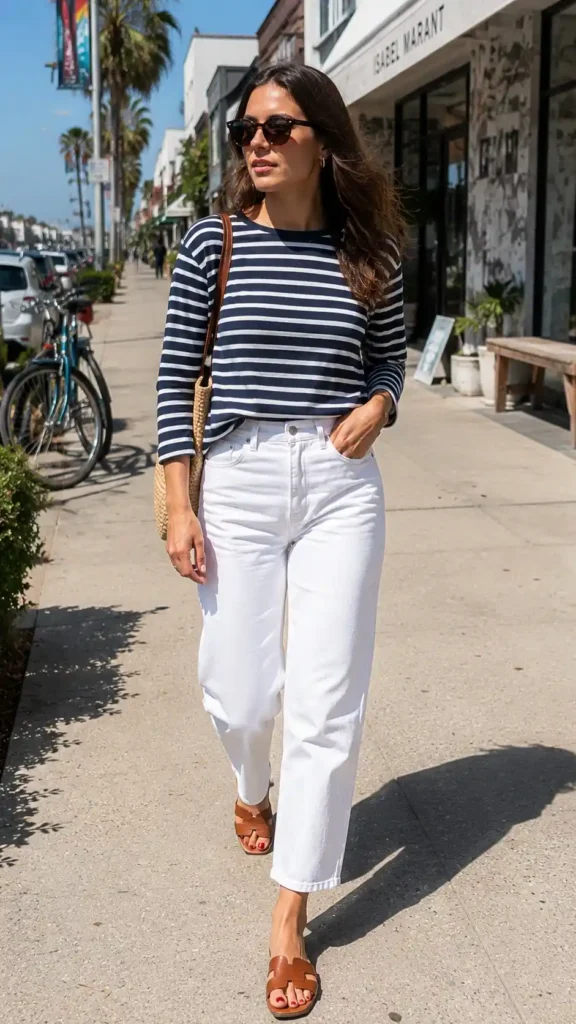
Horizontal navy and white stripes never really left Italian wardrobes. A striped top with white jeans and sandals is about as close to a fail-safe outfit as casual dressing gets.
Random thought here, but stripes are one of those patterns that somehow work on every body type and every age, which honestly can’t be said for most trends.
Maybe that’s why they never go out of style.
How to actually build this wardrobe

Buying 14 new pieces at once isn’t realistic for most people, and honestly, that’s not the point anyway.
Pick two or three ideas from this list that fit your current closet and build outward from there.
For more on building a wardrobe around fewer, better pieces, a detailed breakdown of Italian casual dressing has some useful additions worth browsing if you want more outfit combinations.
And if you’re curious about the broader philosophy behind Italian fashion culture, this piece on dressing like an Italian it-girl covers the regional differences well.
A quick note on quality over quantity
Italian style leans hard on cost-per-wear thinking. A 200-dollar blazer worn 100 times costs 2 dollars per wear.
A 20-dollar top worn twice costs 10. The math usually favors buying less, but buying better.
This is the part that took me the longest to actually believe. I used to feel guilty spending more on one piece. Now I feel worse buying five things I’ll barely touch.
Frequently asked questions
Is Italian street style expensive to recreate? Not necessarily. A lot of the look comes from fit and proportion rather than the price tag. Secondhand blazers, well-fitted basics, and one or two quality accessories go a long way.
What’s the one piece I should buy first? A neutral, structured blazer. It layers over almost everything else on this list and instantly makes casual outfits look more finished.
Does this style work for cooler climates? Yes. Swap linen and cotton for wool and cashmere, keep the same silhouettes and color logic, and the same principles carry through fall and winter without much adjustment.
Final thought
Timeless dressing isn’t really about Italy at all, not exactly. It’s about picking pieces that still make sense five years from now and wearing them like you mean it.
Save this one to your Pinterest board for your next closet refresh, and let me know which idea you’re trying first.
I’m still a little too attached to that 20-euro blazer to give it up anytime soon.
