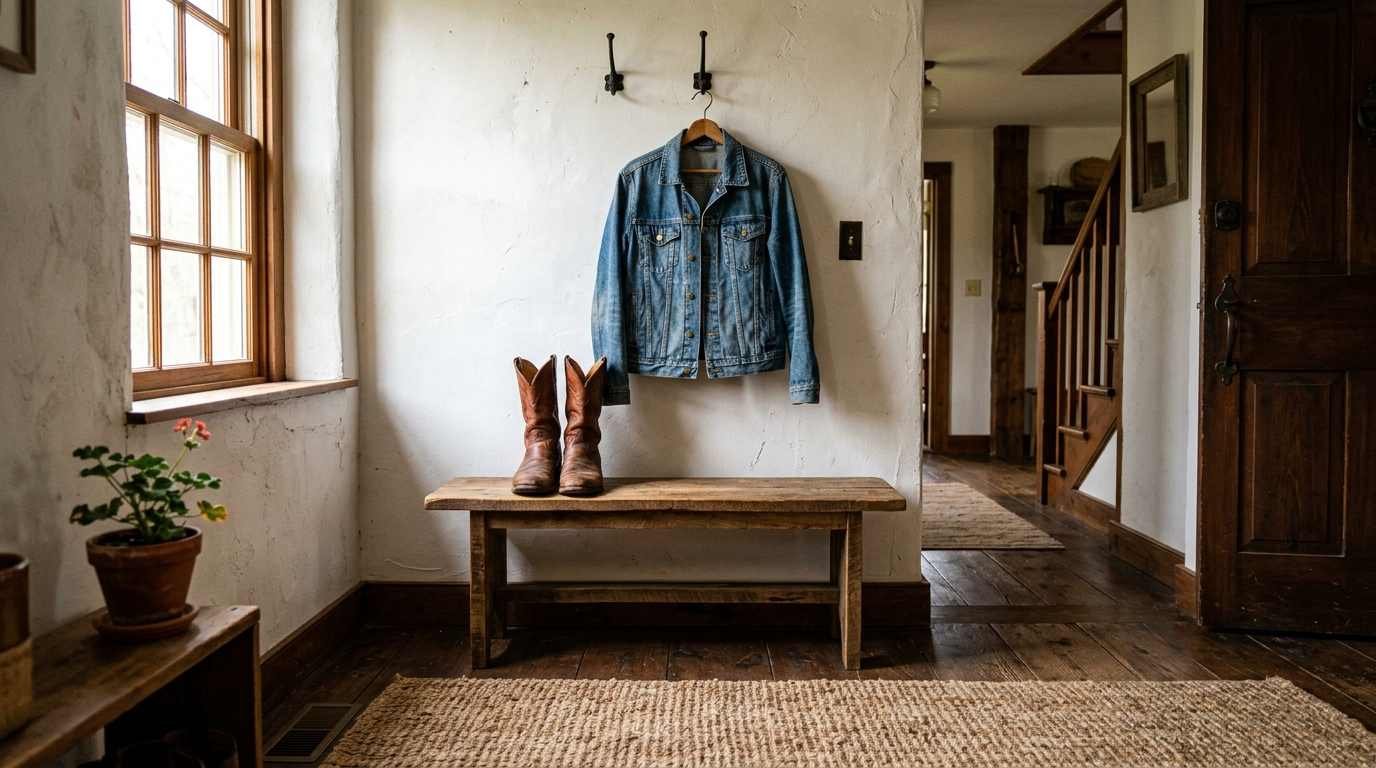
I bought my first pair of cowboy boots on a whim, at a thrift store in Austin, for 12 dollars. That was five years ago. I still wear them every fall.
Western wear has this weird power. It looks tough and soft at the same time. Fringe and denim and suede, somehow all working together instead of fighting for attention.
If you’ve been scrolling Pinterest boards for hours trying to figure out how to wear this stuff without looking like you raided a costume shop, I get it.
IMO the trick isn’t buying more pieces. It’s picking the right ones for the season you’re actually dressing for.
So here are 12 western looks, three for each season, that I’ve either worn myself or watched work brilliantly on friends who have way better style instincts than I do.
Why western wear keeps coming back
Trends fade. Western style just adjusts its volume.
Some years it’s loud: full fringe jackets, oversized belt buckles, boots up to the knee. Other years it whispers, a single suede detail on an otherwise plain outfit. But it never fully leaves.
Part of that is practical. Denim wears well. Leather ages better than it starts. And boots, good ones anyway, last for a decade if you treat them right.
Spring picks that feel fresh and easy
Spring is when western style gets to breathe a little. Heavy layers come off, and the pieces that stay are the ones with real texture.
1. Denim on denim, done right
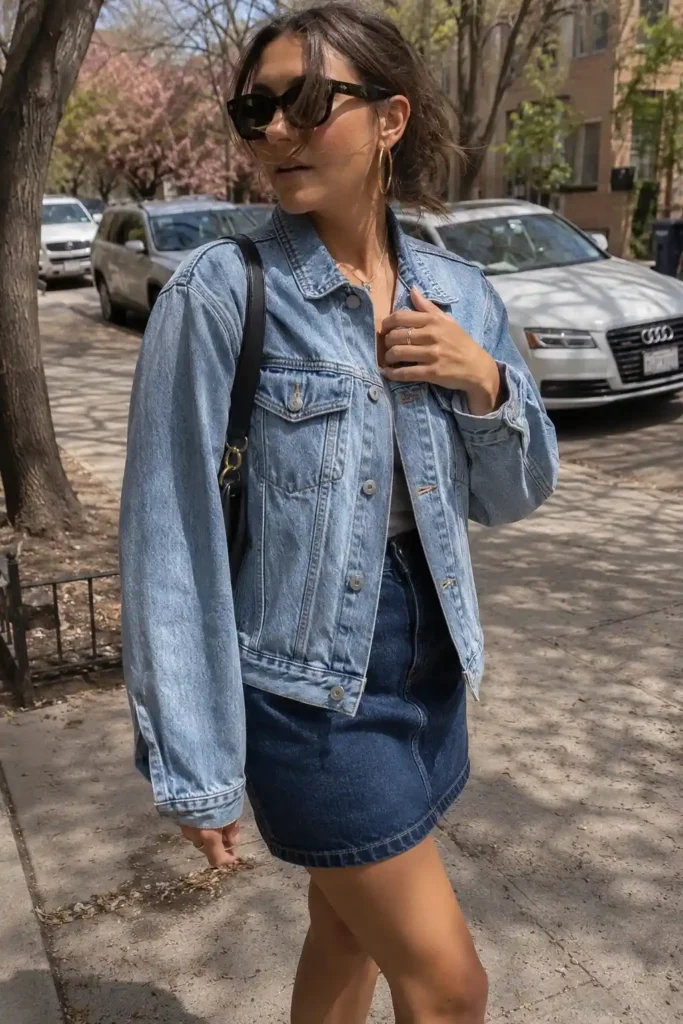
I know, I know. Canadian tuxedo jokes are older than the outfit itself. But a lighter wash jacket over a darker wash skirt or jean looks intentional, not accidental.
The trick: keep at least one shade of contrast between the pieces. Match them exactly and you’ll look like you got dressed in the dark.
2. Broderie anglaise with cowboy boots
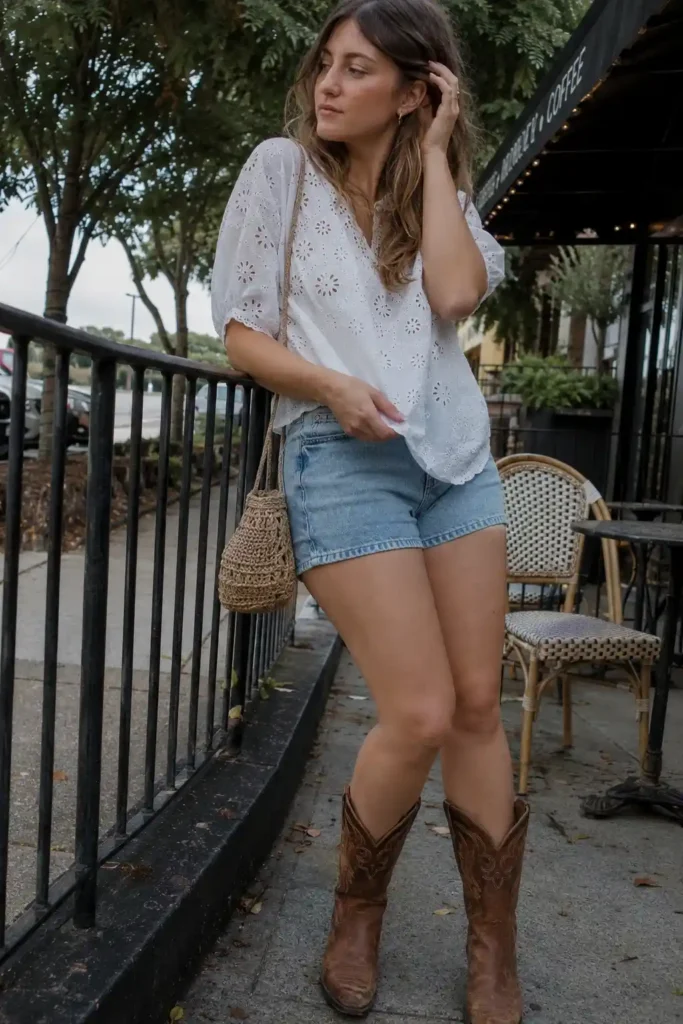
This combo shouldn’t work. A soft, floral, almost delicate top paired with sturdy leather boots. And yet it’s one of my favorite spring pairings.
The contrast is the whole point. Feminine fabric, rugged footwear. Ever wondered why designers keep putting these two things together on runways? Because opposites genuinely do photograph well.
3. Pastel western shirts
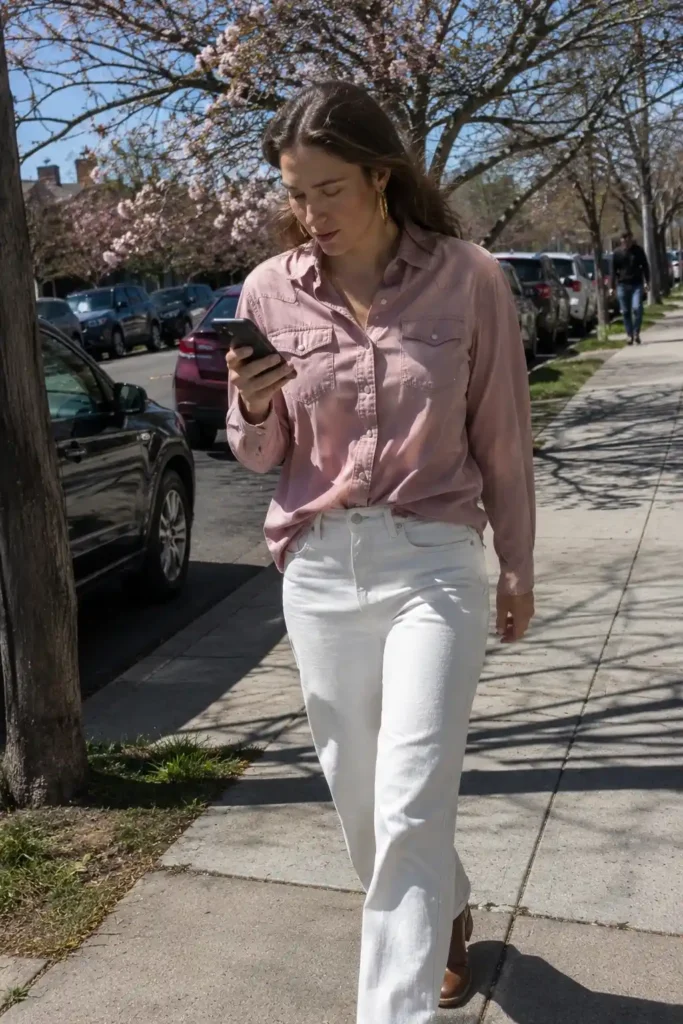
Swap your classic plaid for something in sage, dusty pink, or pale yellow. Same snap-button shirt silhouette, completely different energy.
Pair it with white denim for a look that reads clean without trying too hard.
Summer looks built for heat and outdoor days
Summer western style has to survive actual weather. That means lighter fabrics and fewer layers, but the same bones.
4. Chambray dresses
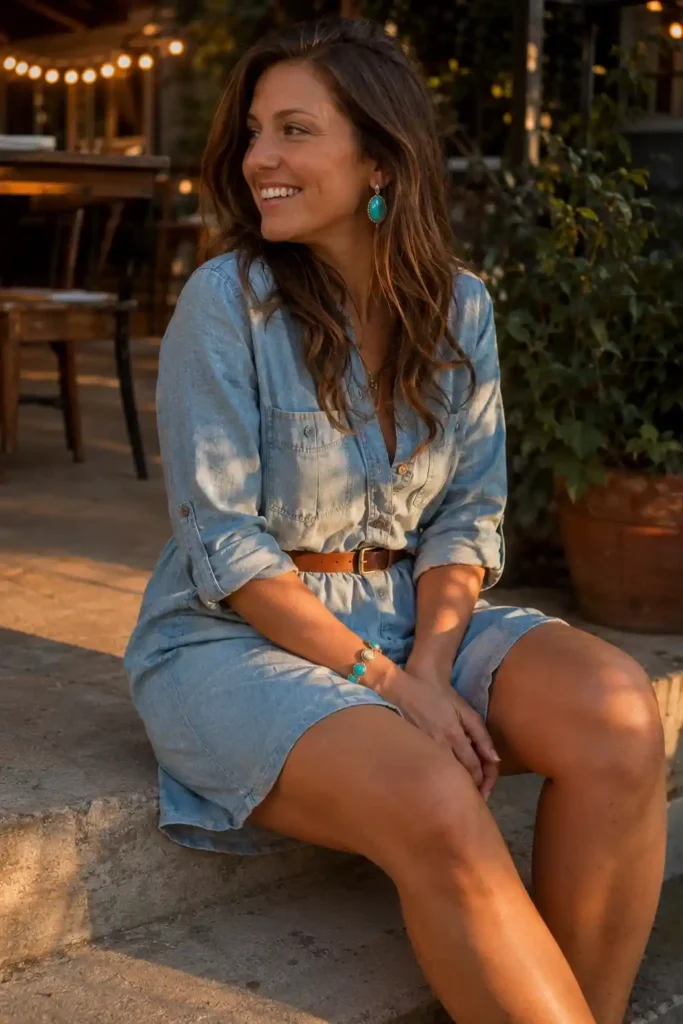
A chambray shirt dress with a thin leather belt is close to a uniform for me between June and August. It breathes, it travels well, and it looks put-together with almost zero effort.
Add turquoise jewelry if you want a little extra personality. Skip it if you’d rather keep things minimal.
5. Fringe skirts
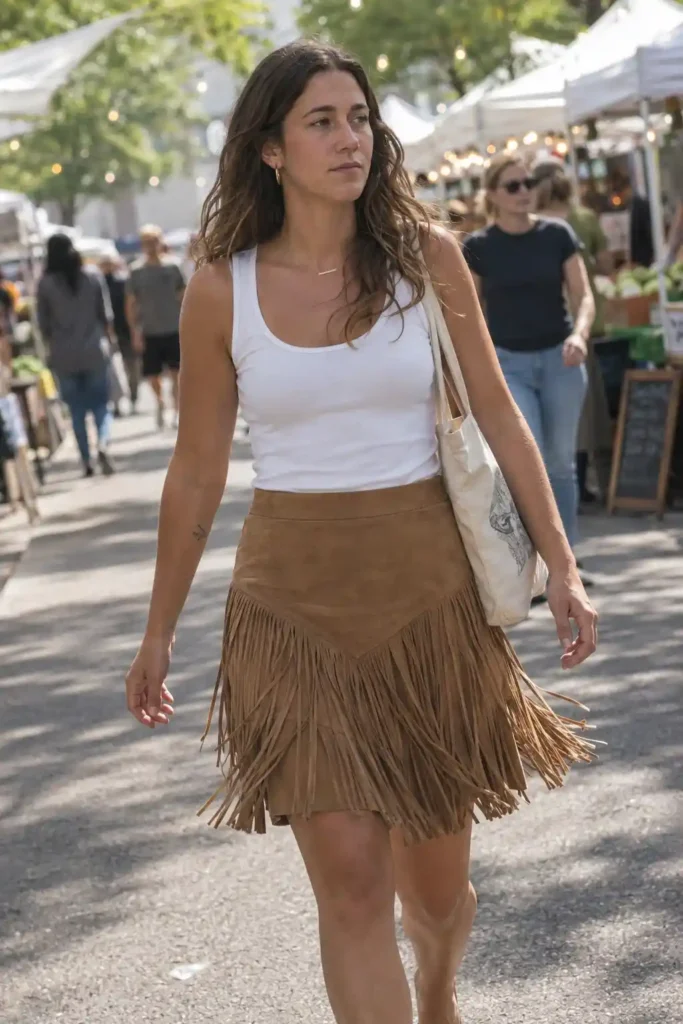
Fringe skirts get a bad reputation for being costume-y. A knee-length suede or faux-suede fringe skirt in a neutral tone, paired with a plain fitted top, avoids that entirely.
Movement is the whole appeal here. Fringe that sways when you walk photographs way better than fringe that just sits there.
6. Western tank top and cutoffs
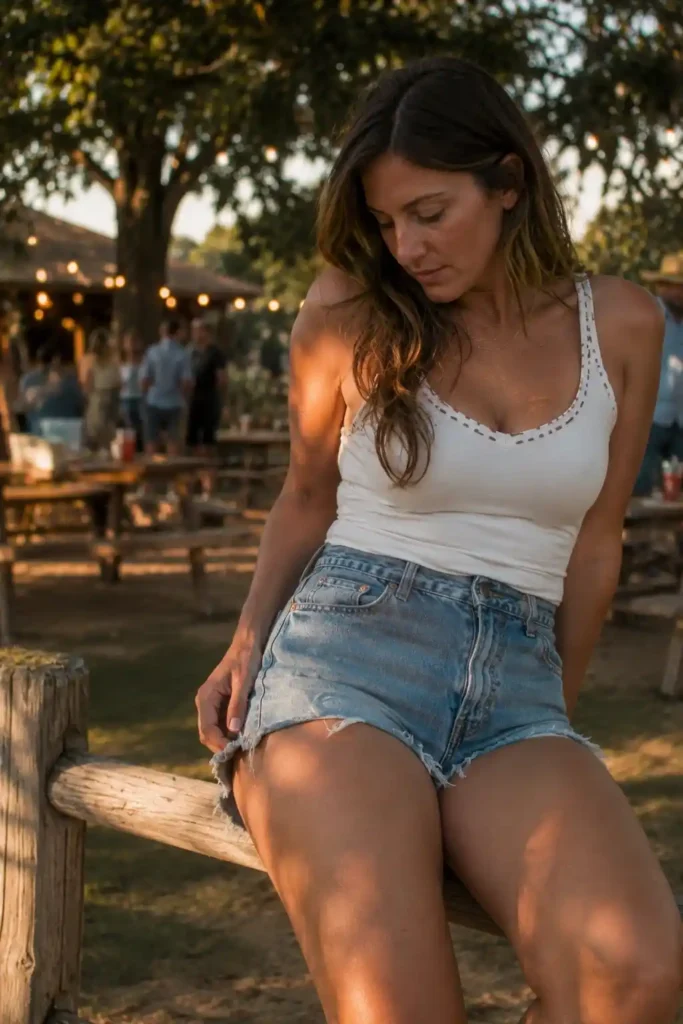
Simple, hot-weather, non-negotiable. A tank with subtle western stitching or piping, paired with denim cutoffs, works for a barbecue, a festival, or just a Tuesday.
This is genuinely one of the easiest looks on this list to pull off. No overthinking required.
Fall outfits with layers and texture
Fall is where western wear really gets to show off. Suede, plaid, and leather all belong to this season more than any other.
7. Suede jackets
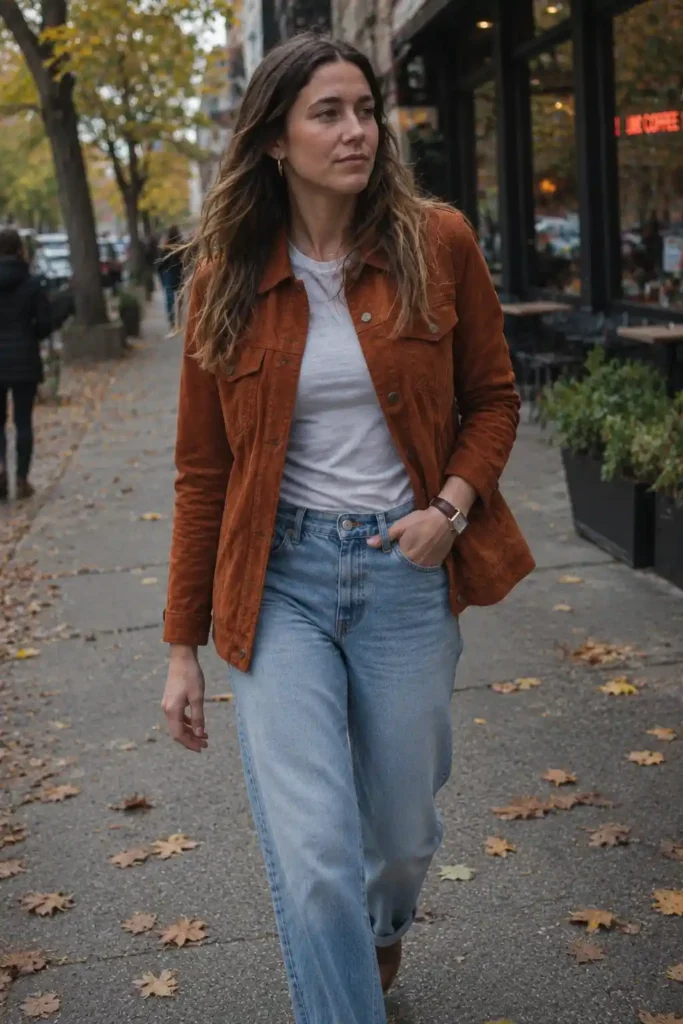
A rust or camel colored suede jacket is, in my opinion, worth spending real money on. Cheap suede pills and looks tired within a season. A better one lasts for years and only gets softer.
Wear it over a plain tee with straight leg jeans and let the jacket do the talking.
8. Plaid shirts tucked into jeans
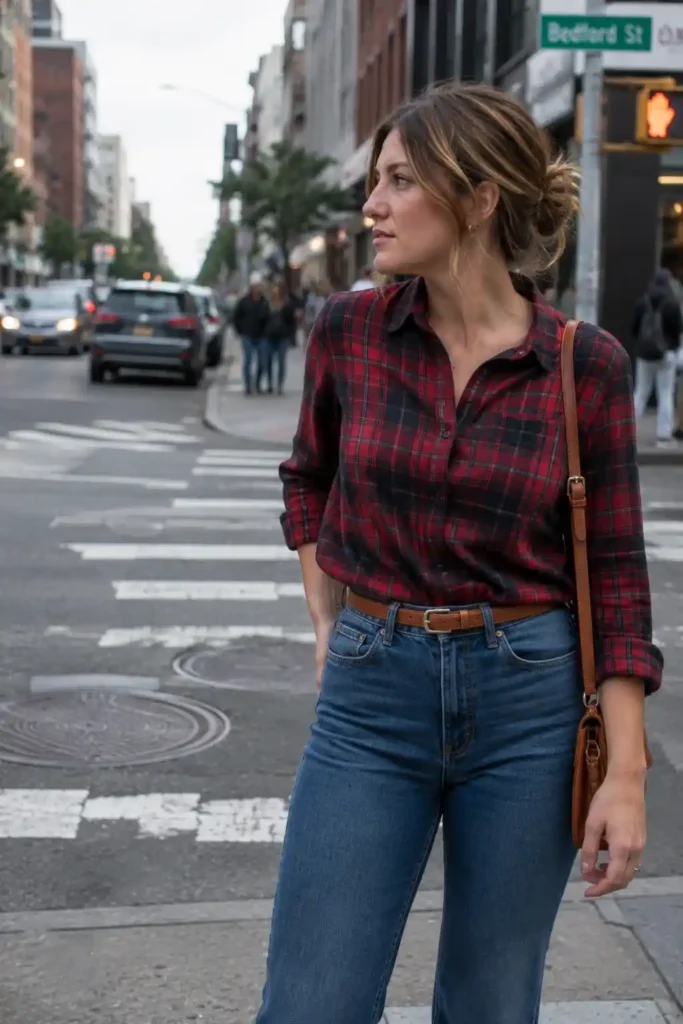
I’ll be honest, this one is basically foolproof. A flannel or plaid button-down, tucked into high-rise jeans, with a belt visible at the waist.
It’s simple. It’s warm. And it somehow never looks dated, even though plaid has been “trending” for about 15 years straight now.
9. Ankle boots with midi skirts
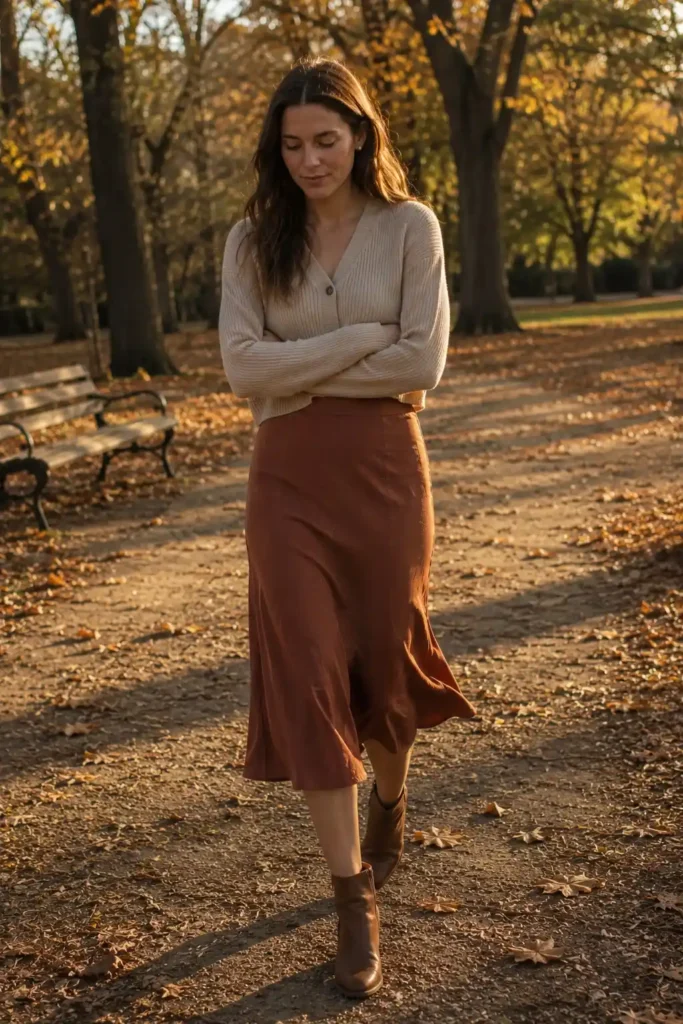
Swap sandals for ankle boots and suddenly your summer midi skirt becomes a fall outfit. Add a cropped jacket or cardigan and you’re set.
This is one of those transitional tricks that feels almost too obvious once someone points it out.
Winter styling for warmth without losing the western edge
Winter is the hardest season for this aesthetic. Too many layers and the western details disappear under coats and scarves. Here’s how to keep them visible.
10. Shearling coats
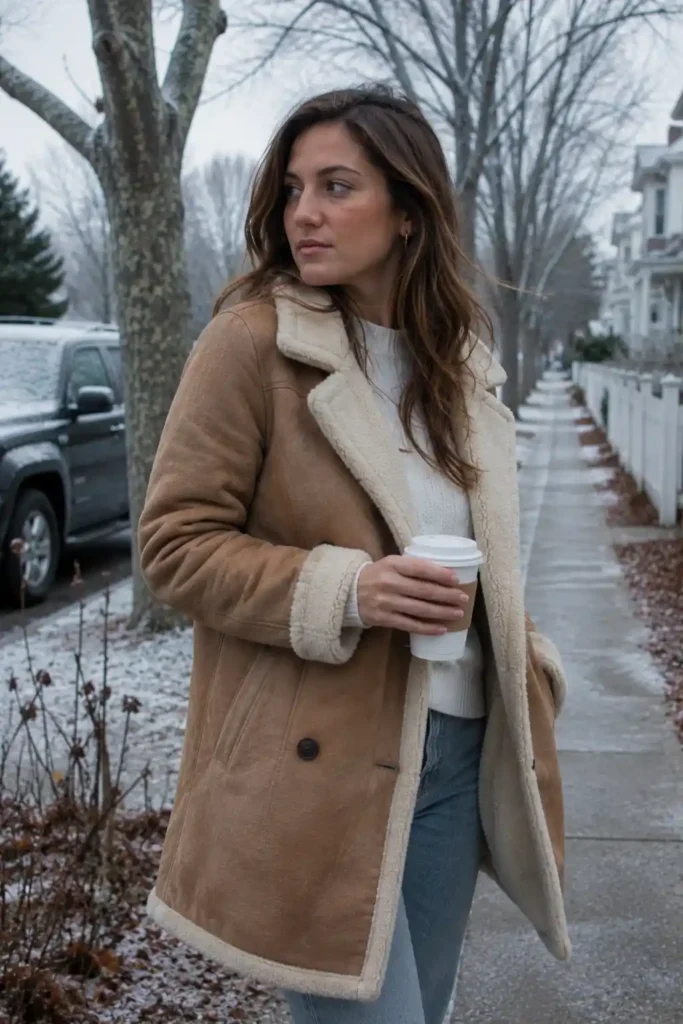
A shearling or shearling-lined coat is the closest thing to a western winter uniform.
Brown or tan tones work best if you want the look to read as western rather than just “generic cold weather coat.”
This is a splurge piece. Buy it once, buy it well.
11. Turtleneck and denim
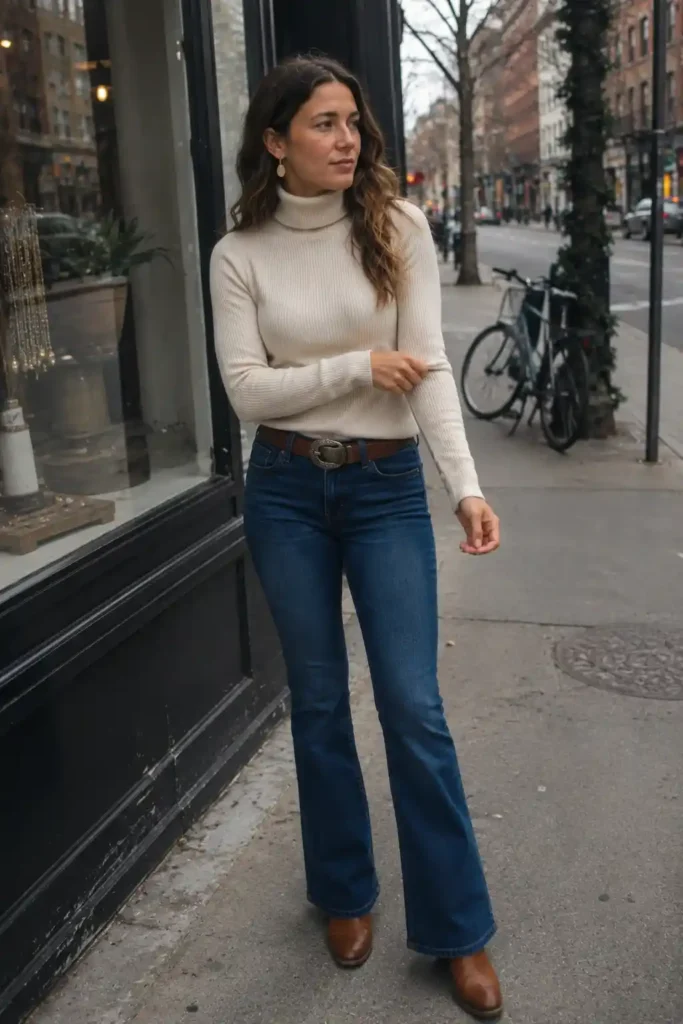
A fitted turtleneck tucked into straight or bootcut jeans, paired with a statement belt buckle, keeps the western identity intact even in freezing weather.
Add boots and you’ve got a full look that doesn’t require a jacket to make sense indoors.
12. Statement belts over sweaters
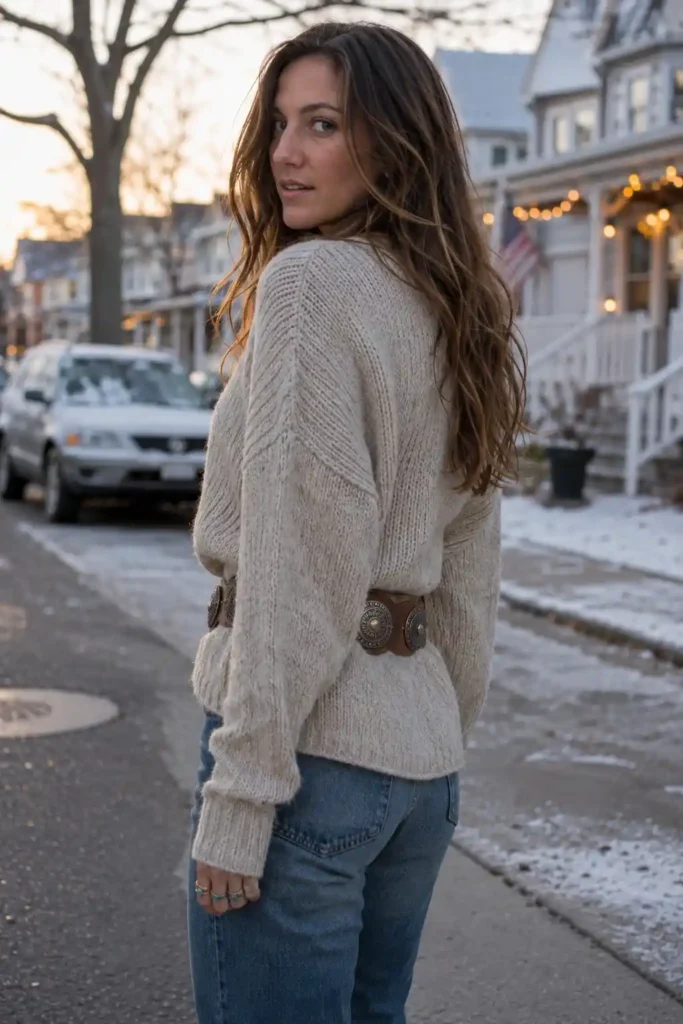
This one surprises people. A wide leather or concho belt worn over a chunky knit sweater adds shape and a clear western signal to an otherwise plain winter outfit.
It’s a small addition, but it changes the whole read of the outfit.
Small changes like this are honestly where the real styling happens, not in buying a whole new wardrobe every season.
Random thought, unrelated but stick with me: I used to think concho belts were a “special occasion only” accessory.
Then I started wearing mine on regular Wednesdays and nobody blinked.
Turns out most style rules I made up in my head were never real rules to begin with.
Quick reference table
| Season | Key piece | Footwear | Best accent |
|---|---|---|---|
| Spring | Broderie anglaise top | Ankle-high boots | Turquoise jewelry |
| Summer | Chambray dress | Sandals or low boots | Thin leather belt |
| Fall | Suede jacket | Mid-calf boots | Plaid scarf |
| Winter | Shearling coat | Tall boots | Concho belt |
A few honest opinions before you shop
Not every western piece is worth owning, and I’d rather tell you that now than have you find out after checkout.
- Fringe jackets in synthetic fabric almost never look good after one wash. I learned that the expensive way, so you don’t have to.
- Genuine leather boots, even secondhand ones, beat synthetic ones every single time. This is not close.
- Statement belt buckles are worth buying in one neutral metal tone first. You’ll get more wear out of one great buckle than three mediocre ones.
- Skip anything with excessive rhinestone detailing unless you’re actually going somewhere that calls for it. A grocery run does not.
You can shop these ideas directly on sites like Nordstrom’s western style edit or browse curated looks on Pinterest’s women’s fashion boards for more inspiration boards to save.
Who What Wear’s style guides are also worth a scroll if you want to see how editors mix these pieces season to season.
FAQs
Is western wear only for fall and winter? No. Lighter western pieces, chambray, pastel shirts, fringe skirts, work fine in spring and summer. The key is swapping heavy fabrics like suede and shearling for cotton and denim.
What’s the one piece worth investing in first? A good pair of leather boots. They work across every look on this list and genuinely improve with age instead of wearing out.
Can western style work for an office setting? Yes, if you dial it back. A plaid shirt under a blazer or a statement belt with tailored trousers reads polished, not costume-y.
Final thought
Western wear rewards restraint more than most trends. One good piece, worn with confidence, beats five mediocre ones every time.
Which of these 12 are you pinning first, the shearling coat or the fringe skirt? Save this post, drop a comment, and let me know what you end up building your next outfit around.
