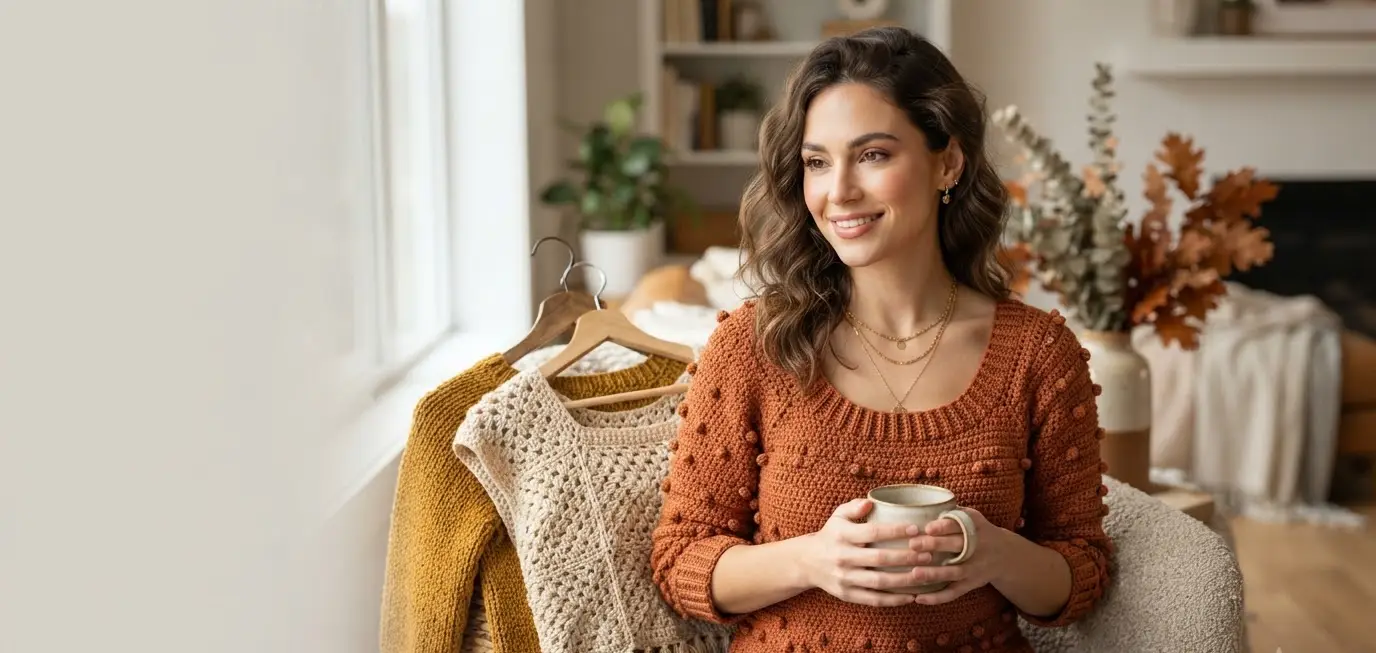
I have a drawer full of half-finished crochet projects. Actually, that’s a lie. It’s two drawers.But every fall, without fail, I clear off my hook and yarn stash and go straight for tops. Cardigans, tees, vests, whatever keeps my arms warm without turning me into a walking blanket.
If you’re here because your Pinterest feed just fed you seventeen versions of the same “cozy fall crochet” board, congrats, you found the actual useful one.
I’ve made a good chunk of the patterns below myself. A few I haven’t touched yet but have bookmarked so many times my browser probably thinks I’m obsessed (I am).
Either way, this list is built from real trial and error, not just scrolling and guessing what looks nice in a thumbnail.
Why crochet tops are the fall MVP
Knitting gets a lot of the “cozy season” credit, and IMO that’s a little unfair.
Crochet works up faster for most beginners. The stitches are bigger, mistakes are easier to spot, and you can frog a bad row without wanting to throw your project across the room (I’ve thrown things. It doesn’t help.).
Fall tops specifically hit a sweet spot:
- They use less yarn than a full sweater, so they’re cheaper and faster
- They layer over tank tops in September and under jackets in November
- They hide a multitude of gauge sins because tops are more forgiving than fitted garments
That last point matters more than pattern designers admit. My tension is inconsistent on a good day. A slightly looser cardigan just looks “relaxed fit.” A slightly looser sock looks like a mistake.
Cardigans that actually get worn (not just pinned)
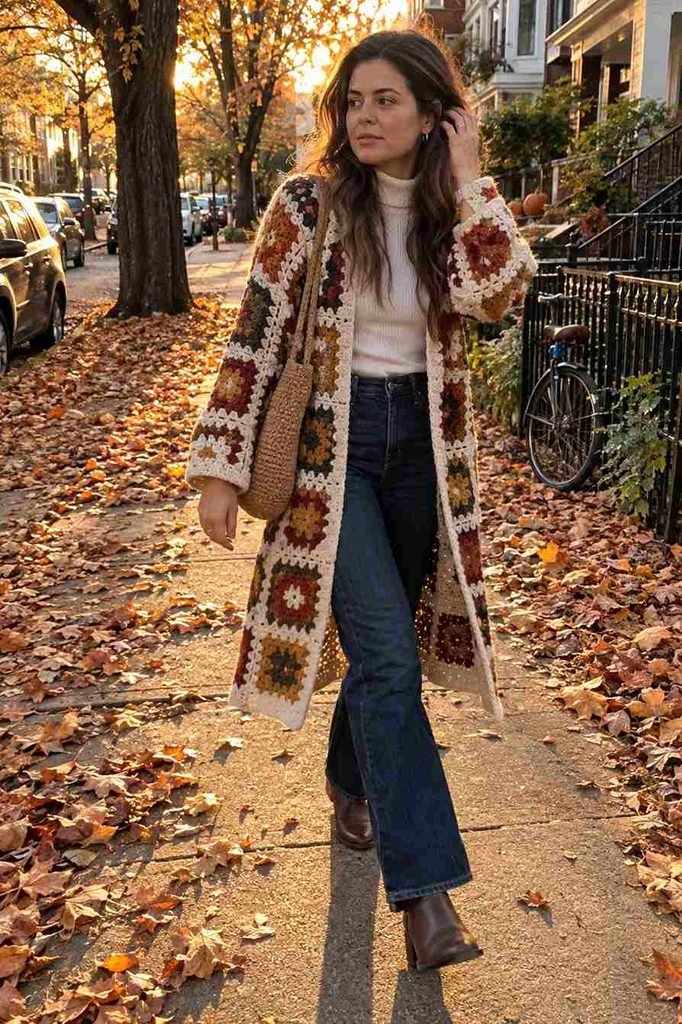
Cardigans dominate this list because, honestly, they dominate my closet. Here are seven I’d recommend without hesitation.
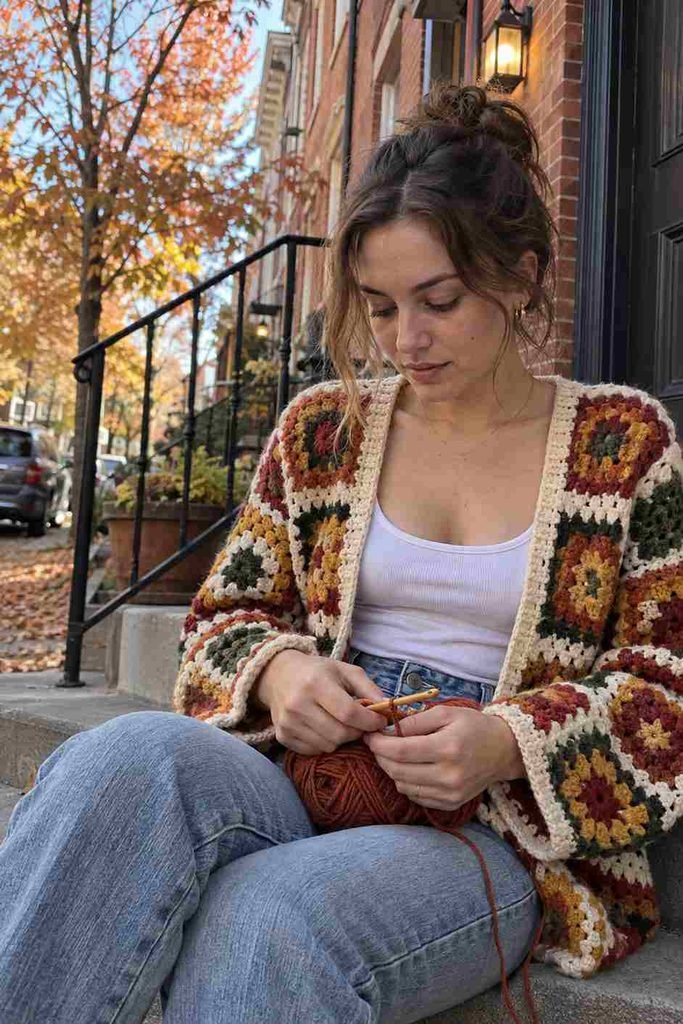
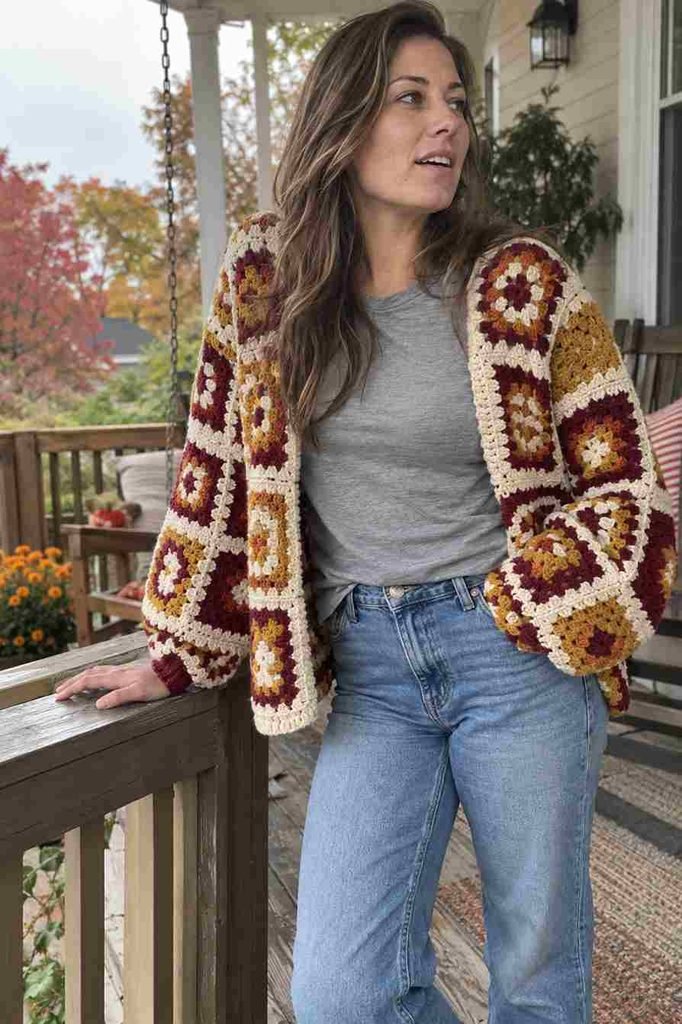
1. The classic granny square cardigan. Start with squares, join as you go, done. This is where most crocheters cut their teeth on garment-making, and there’s a reason it never goes out of style.
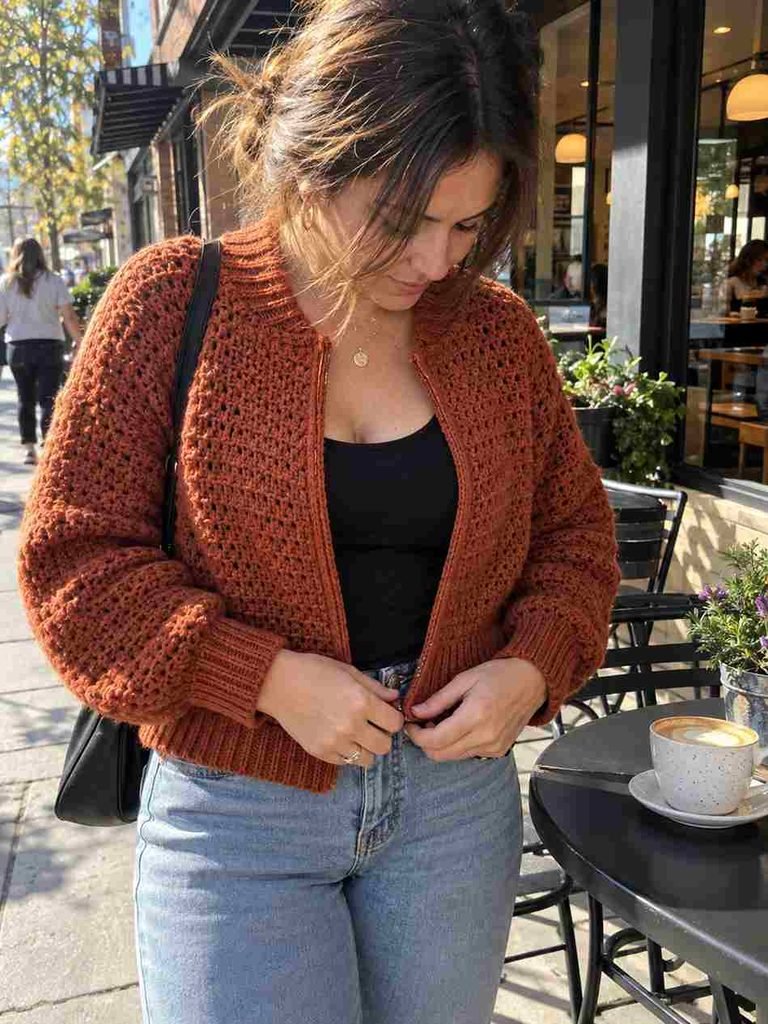
2. Ribbed collar bomber cardigan. The ribbing at the cuffs and hem gives it a store-bought look. I made one in a rust color last October and got asked twice where I bought it.
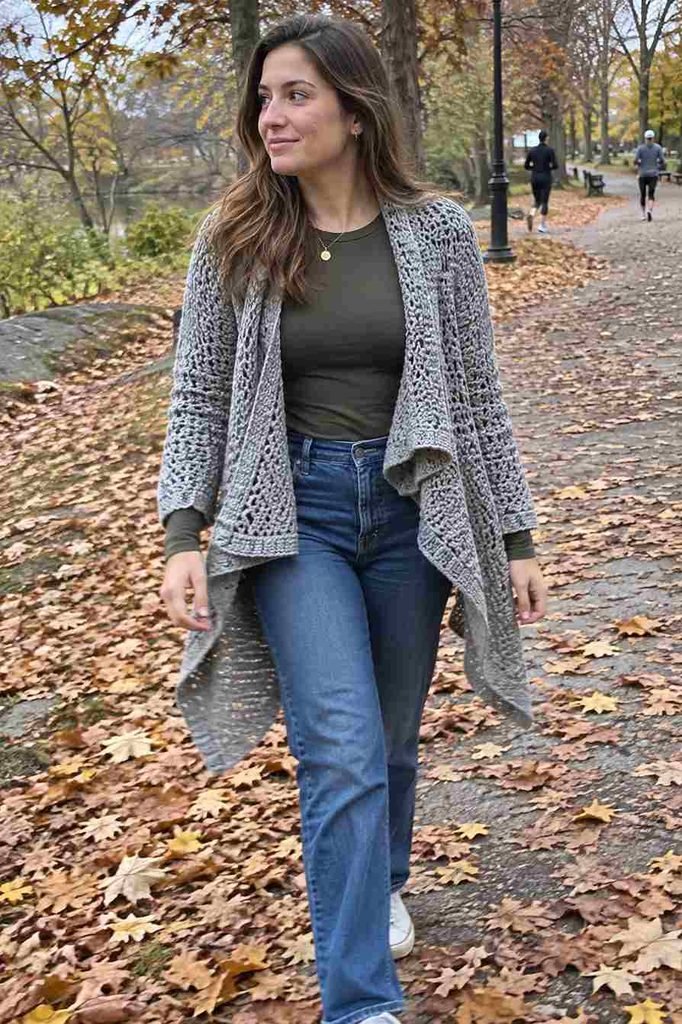
3. Waterfall front cardigan. No buttons, no closures, just drapes open. Great if you hate counting buttonholes (guilty).
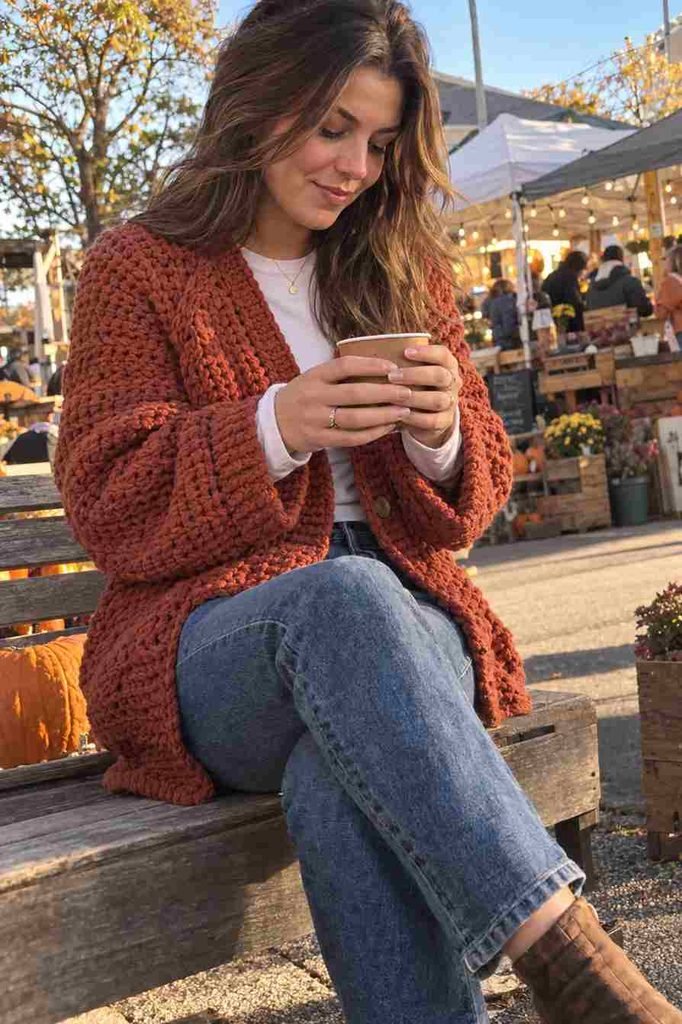
4. Chunky raglan cardigan. Works up in a weekend if you’ve got bulky yarn and a free Saturday. This one shows up on almost every “beginner cardigan” roundup, and the Bella Coco Crochet beginner cardigan tutorial is a solid, well-tested version with a video walkthrough if you’re a visual learner like me.
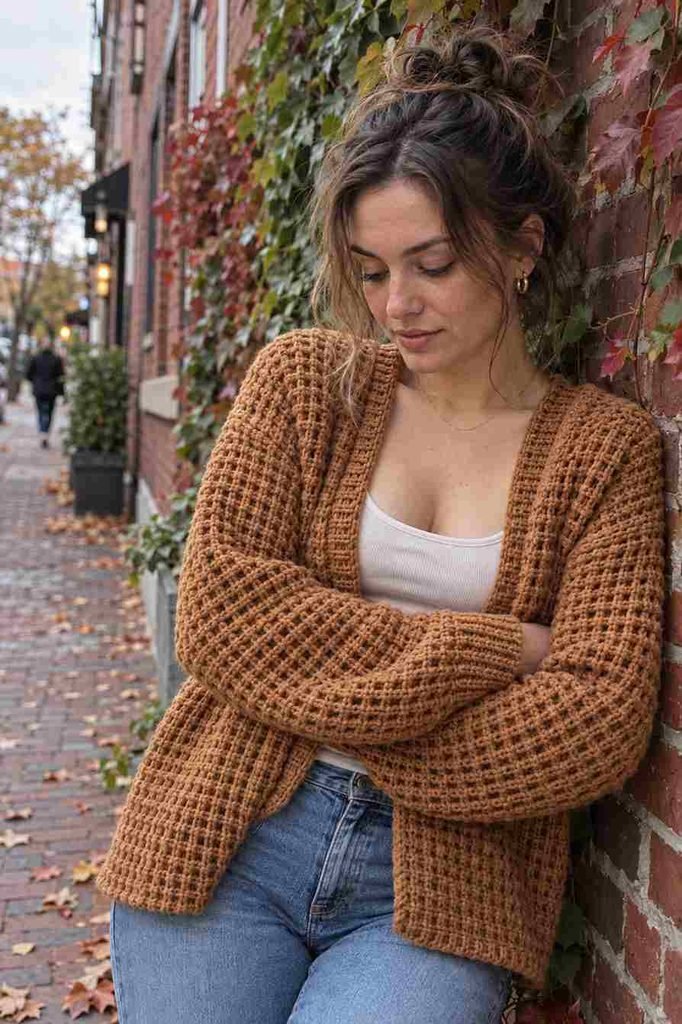
5. Textured waffle stitch cardigan. The waffle stitch looks intricate but it’s just back loop and front loop single crochets in sequence.
Ever wondered why waffle stitch photos get so many pins? Texture photographs beautifully.
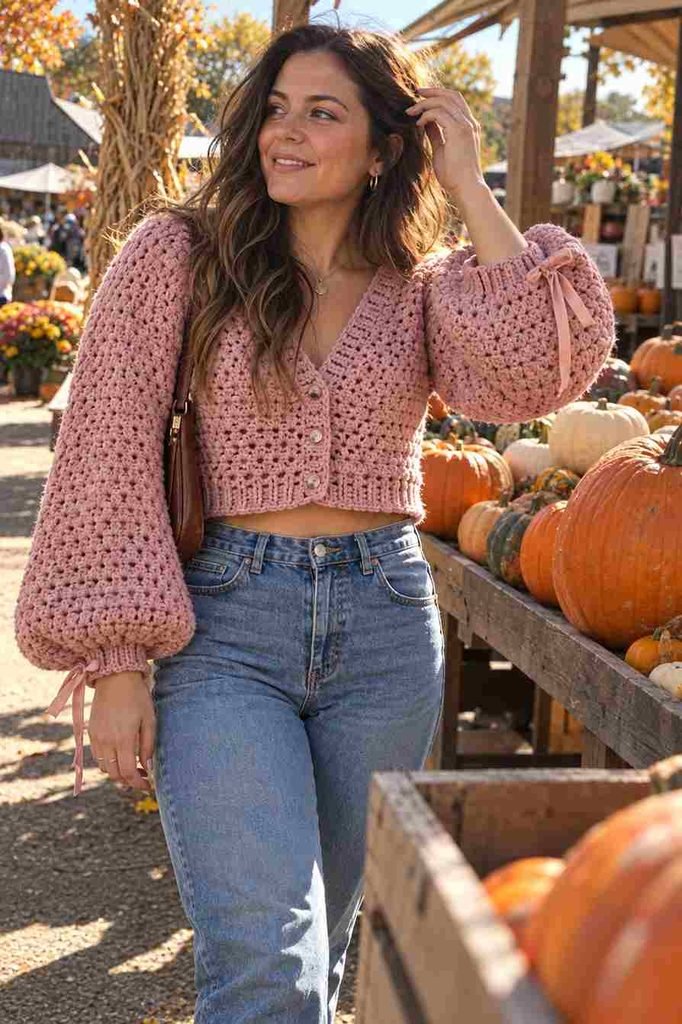
6. Cropped cardigan with cottage-core sleeves. Puffy sleeves, cropped body, very “I bake bread on weekends” energy. Not for everyone, but if it’s for you, it’s really for you.
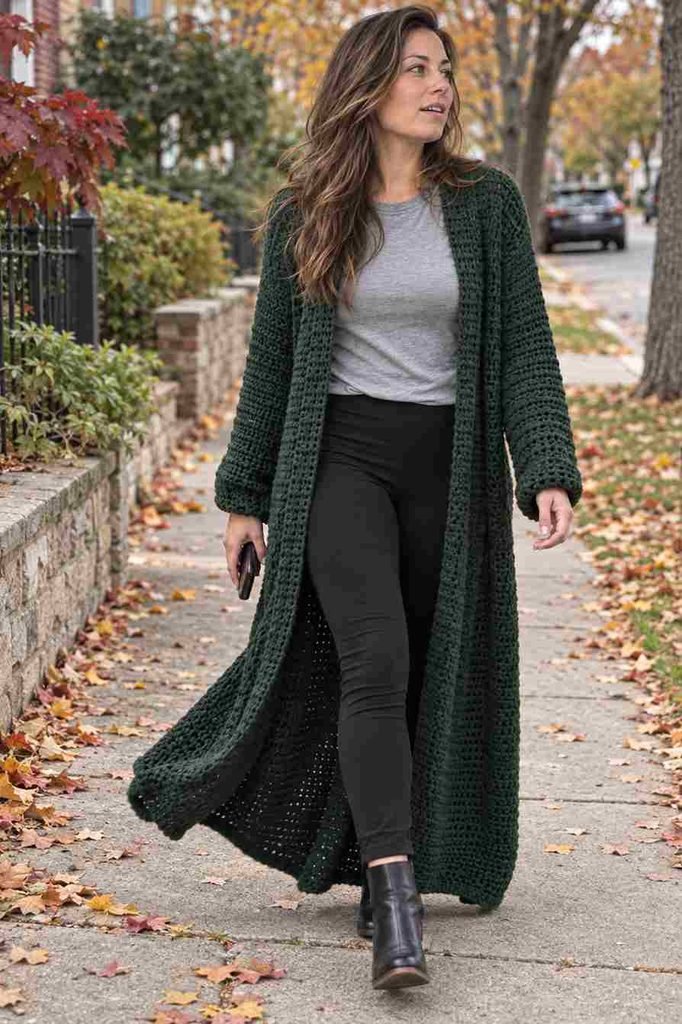
7. Long duster cardigan. Floor-length, open front, minimal shaping. Slow to make, but it’s basically a wearable blanket, and fall is exactly when you want that.
Tees that don’t feel like summer leftovers
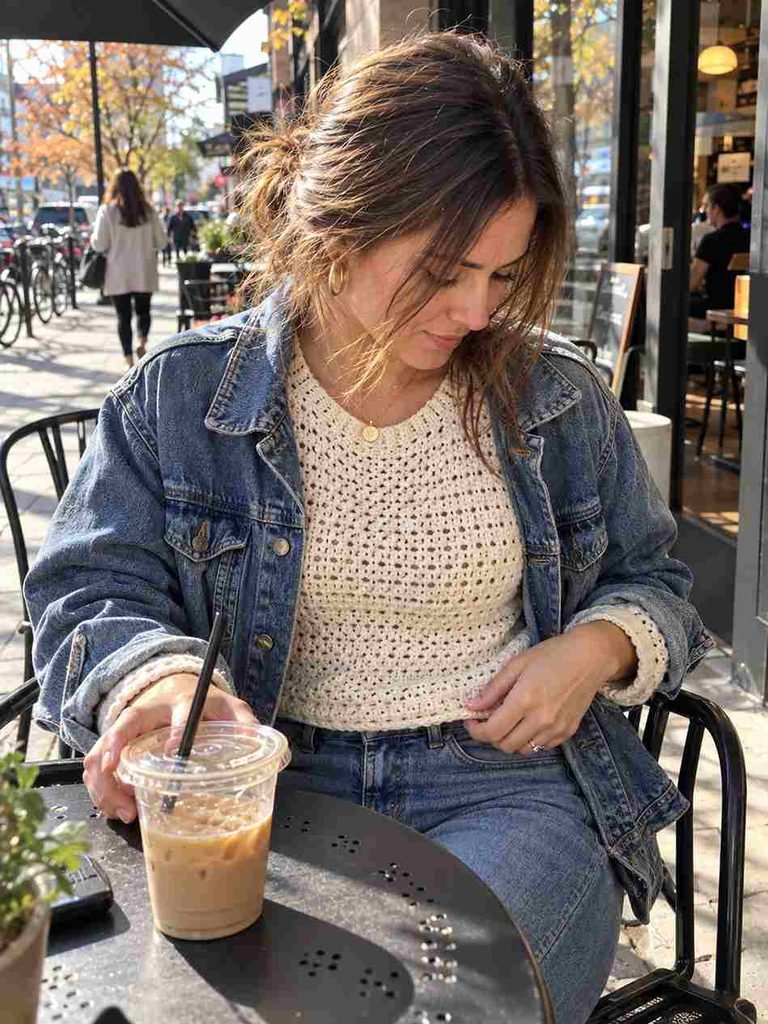
Crochet tees get overlooked in fall roundups, which is a mistake. Layer one under a denim jacket and it reads completely different from a June version of the same shirt.
8. Basic granny stitch tee. Simple, breathable, and a great stash-buster if you’ve got scrap yarn from other projects.
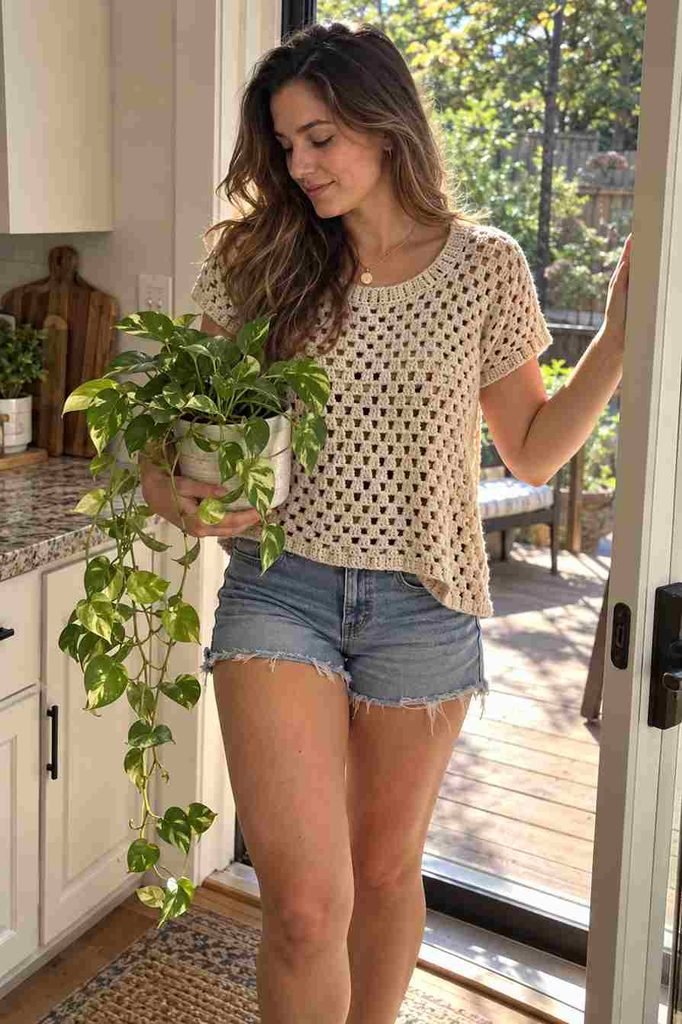
9. Ribbed crop tee. More fitted than most crochet patterns attempt, which makes it trickier, but the payoff is a top that actually looks tailored.
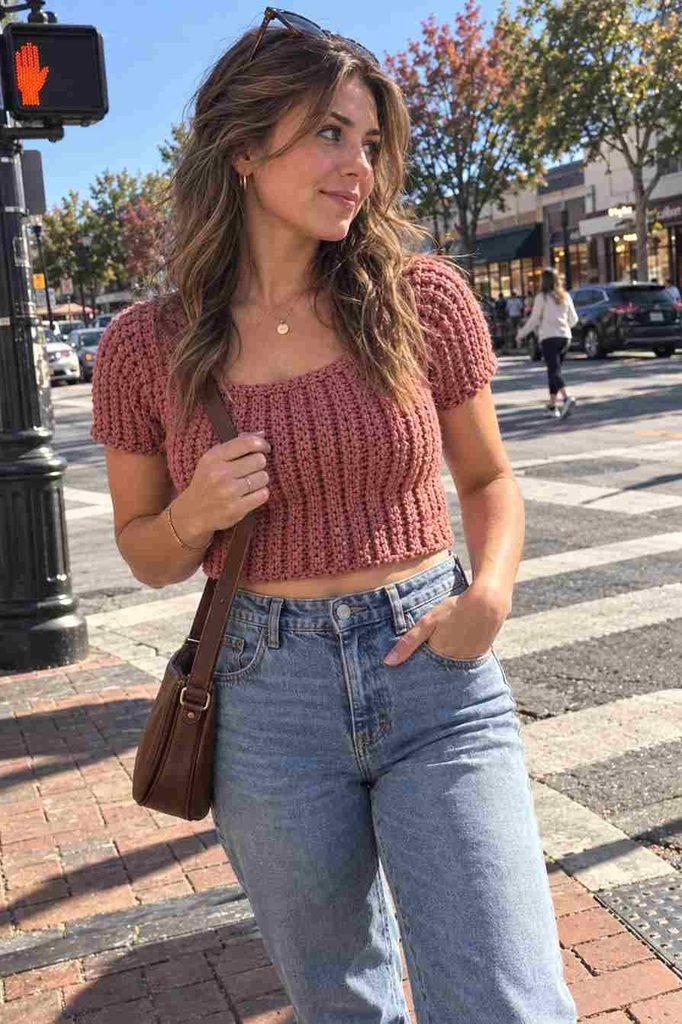
10. Long sleeve mesh tee. Meant to be layered over a cami, not worn alone. This is one of those patterns where the finished piece looks way more complicated than the actual stitch count.
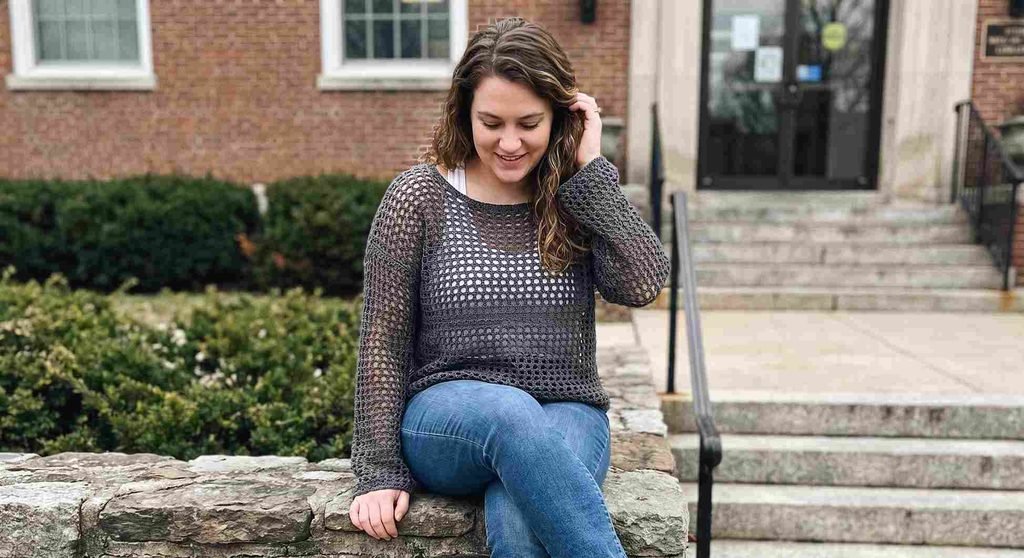
11. Puff sleeve tee. Statement sleeves, simple body. If your fall wardrobe needs one loud piece, this is a cheap and fast way to get it.
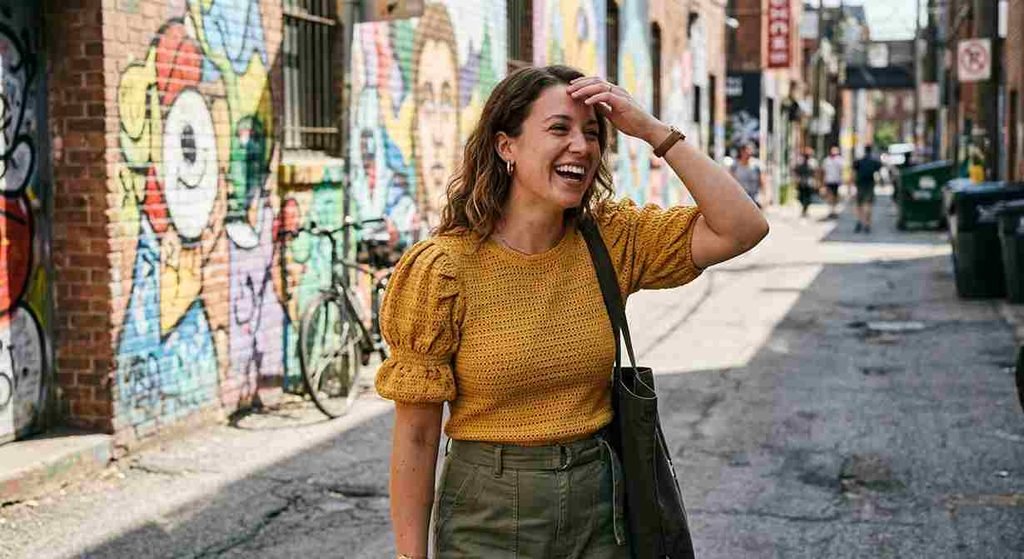
12. V-neck fitted tee. Uses increases and decreases for actual shaping instead of just rectangles. Slightly more advanced but worth the extra concentration.
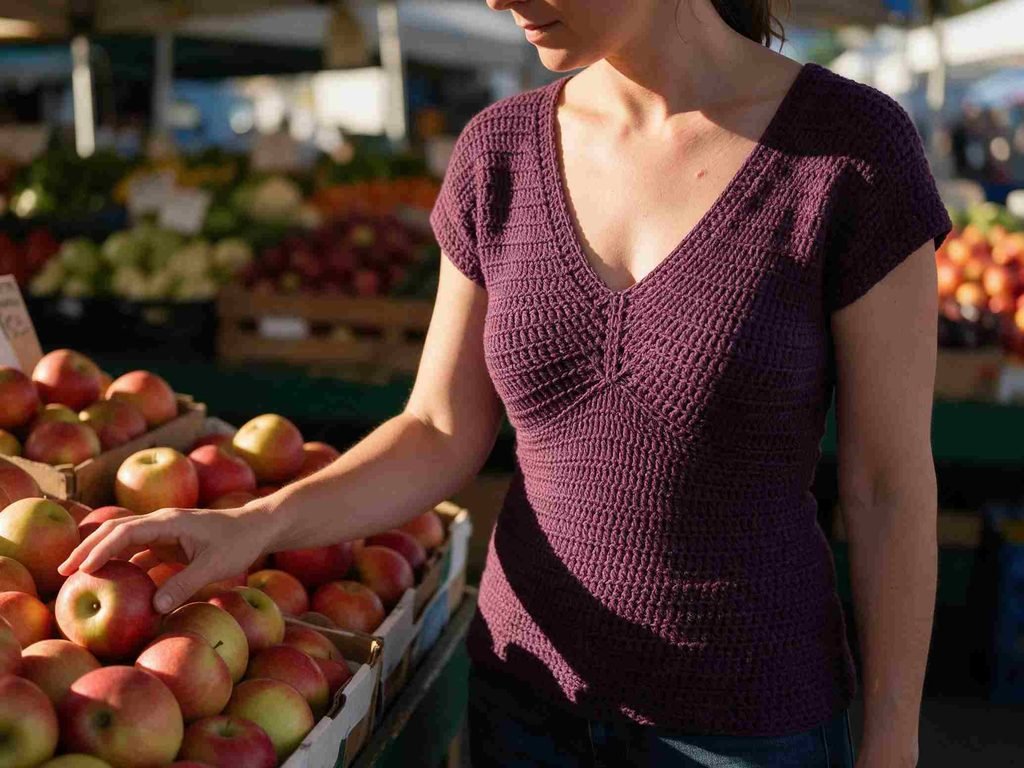
13. Oversized boxy tee. Zero shaping required. This is the pattern I hand to anyone who says they’ve “never made a garment before.”
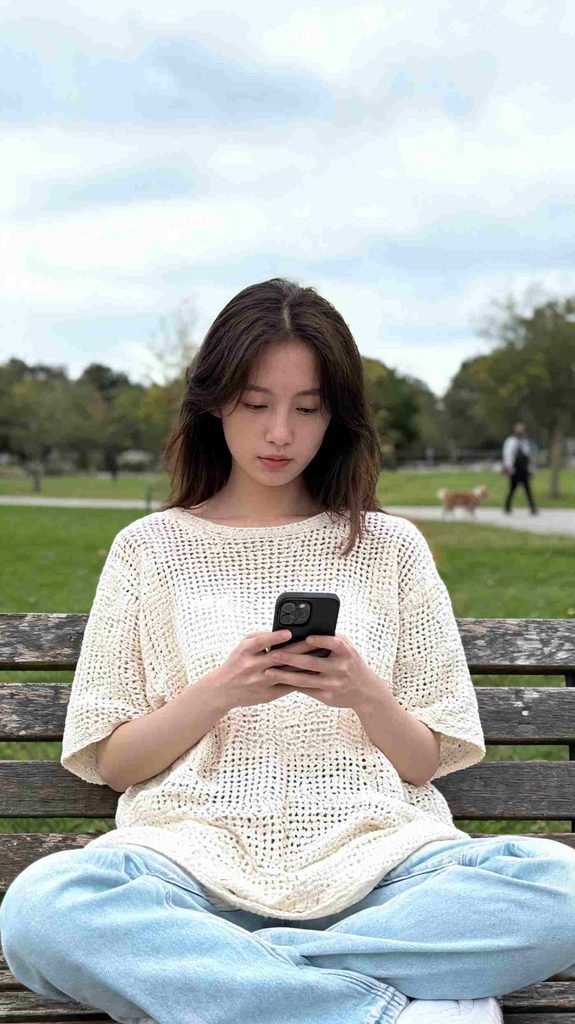
14. Turtleneck crochet tee. Trickier around the neck join, but once you’ve done it once, you’ll do it on everything. Turtlenecks and crochet don’t get paired often enough, IMO.
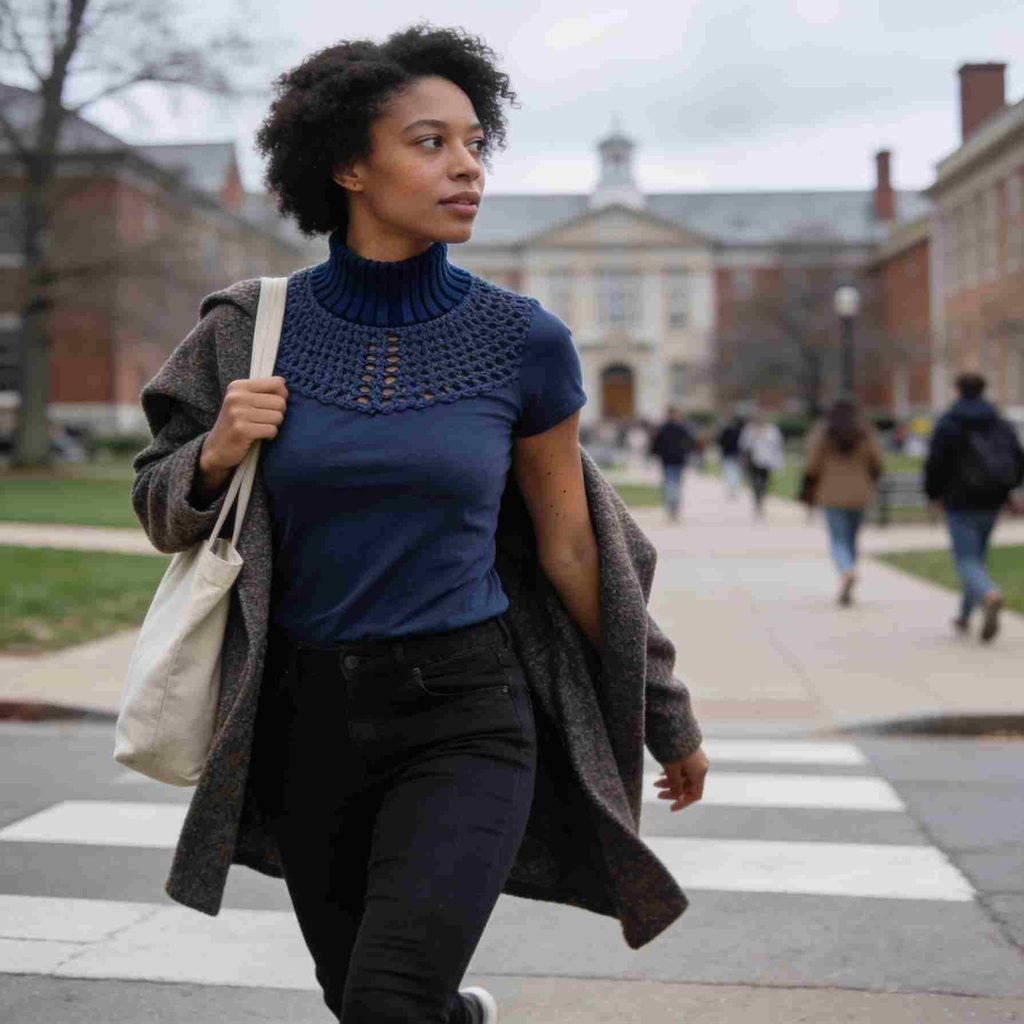
Vests: the underrated fall layering piece
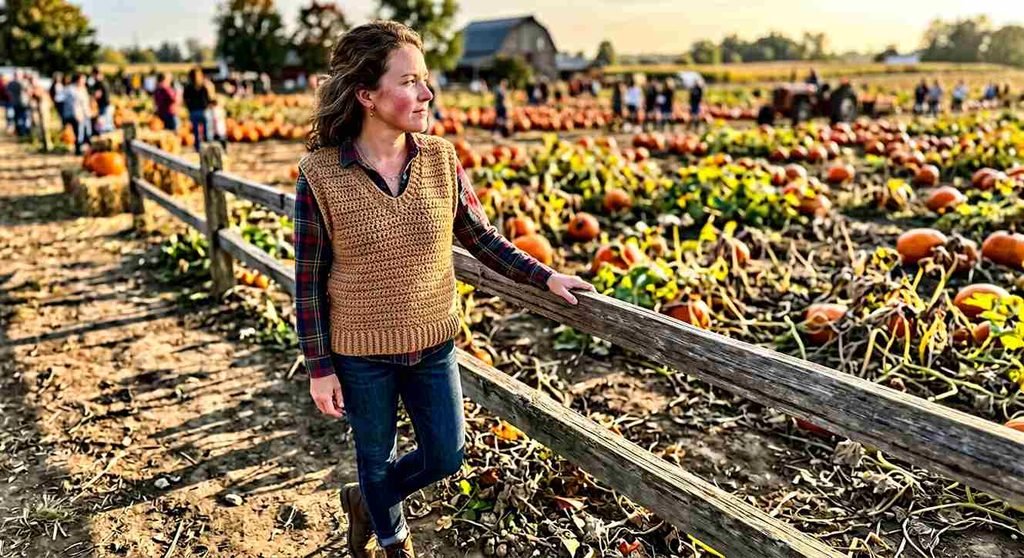
Vests might be the most practical thing on this whole list. No sleeves means less yarn, less time, and way less risk of running out of your dye lot halfway through (has happened to me, still bitter about it).
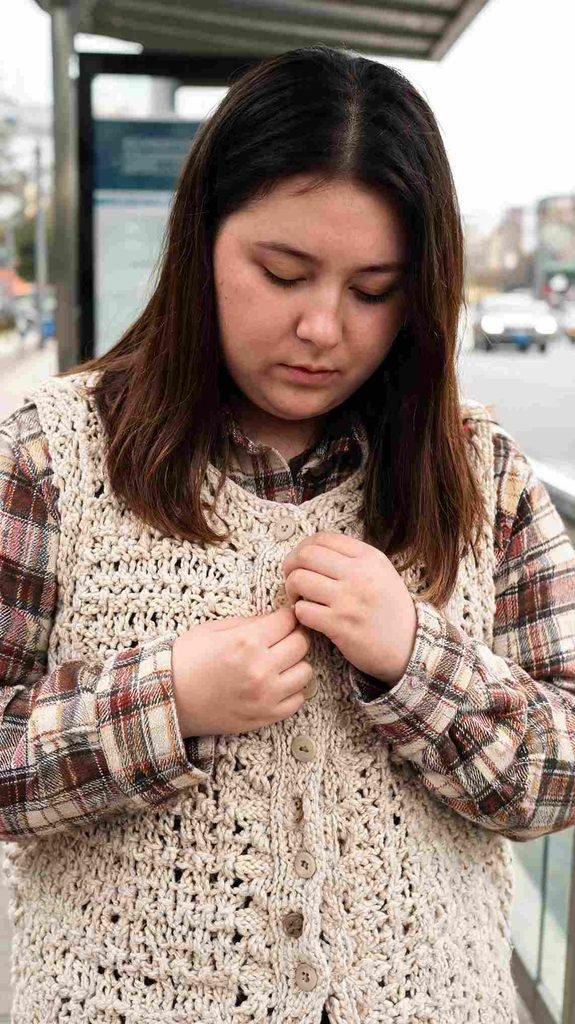
15. Chunky button-front vest. Quick project, warm result, works over literally every long sleeve shirt you own.
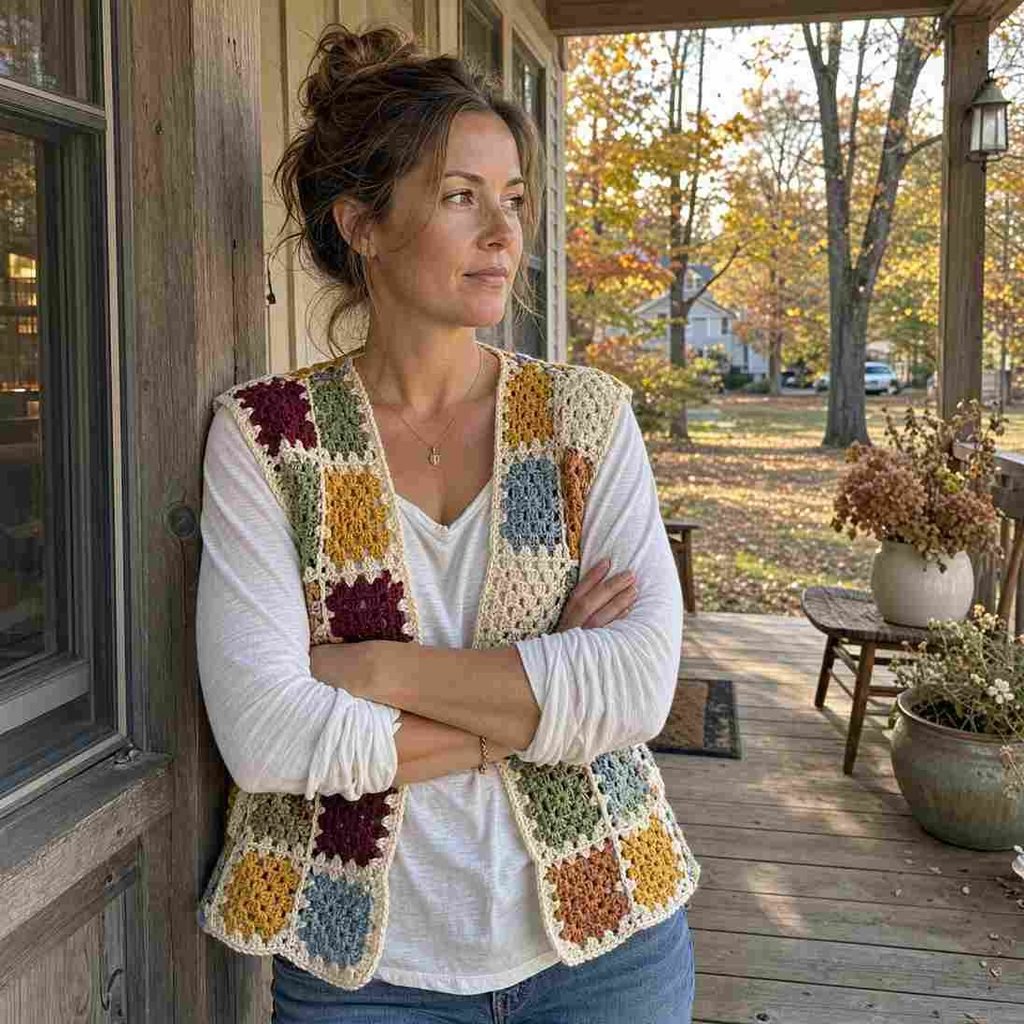
16. Granny square patchwork vest. Great for using up leftover yarn from other projects on this list. Nothing gets wasted.
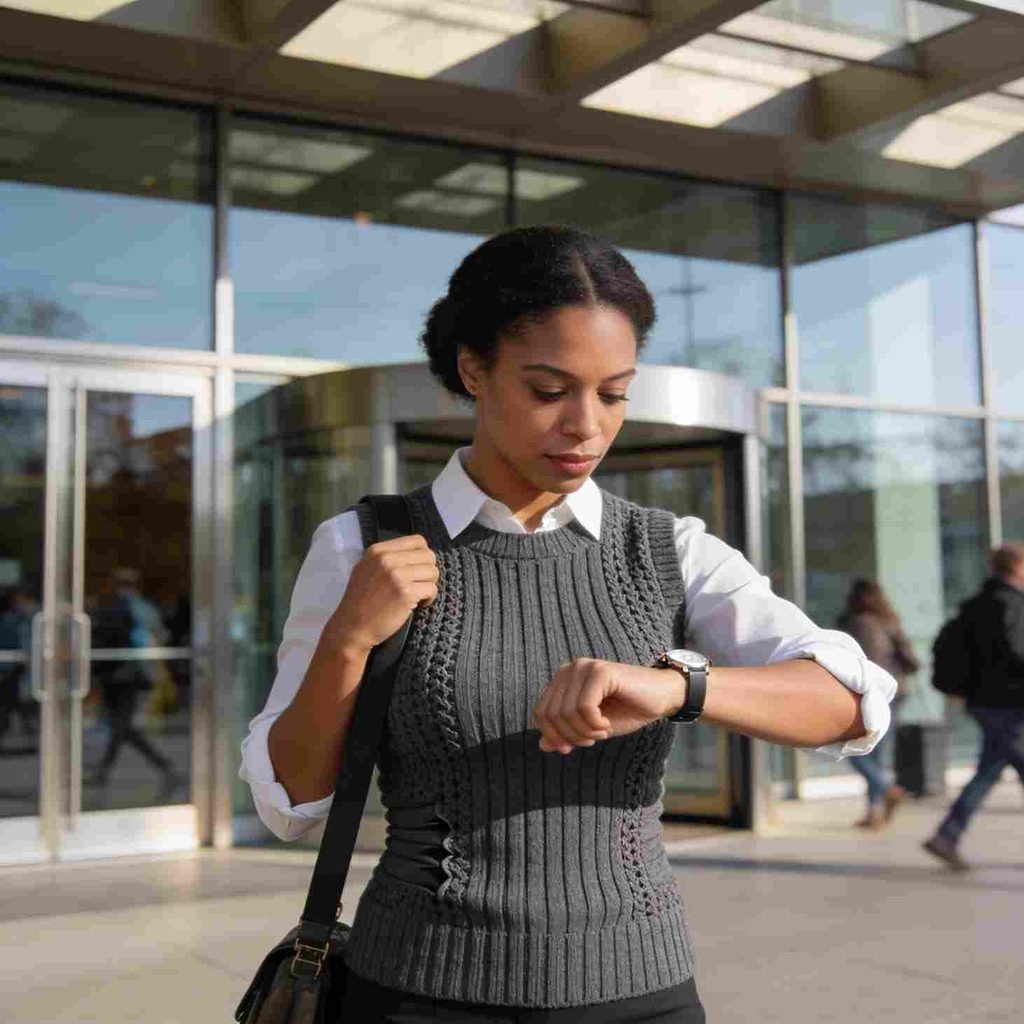
17. Fitted ribbed vest. More structured than most crochet vests, closer to a knit look once it’s blocked properly.
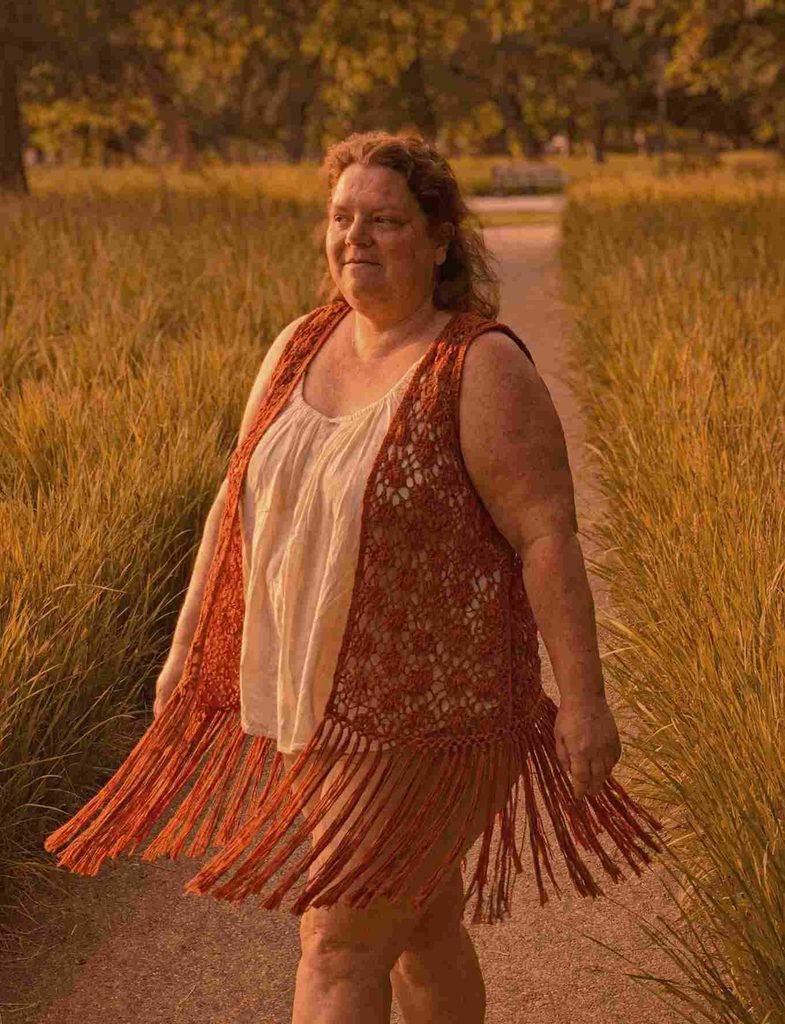
18. Fringe hem boho vest. Adds movement and a slightly ’70s feel. I wasn’t sure about this one until I made it. Now it’s in weekly rotation.
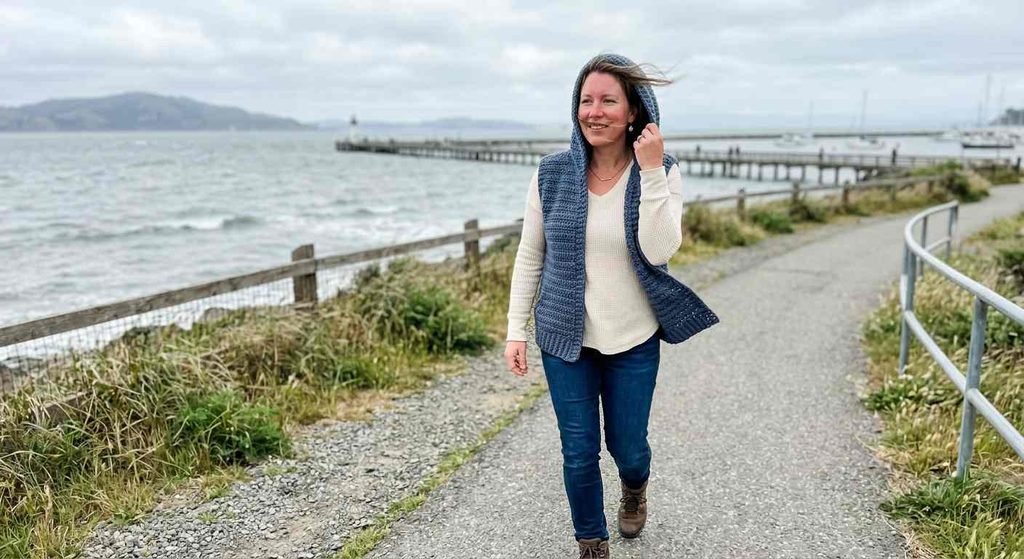
19. Hooded sleeveless vest. A hood on a vest sounds odd until you’re wearing it on a windy October walk and suddenly it makes perfect sense.
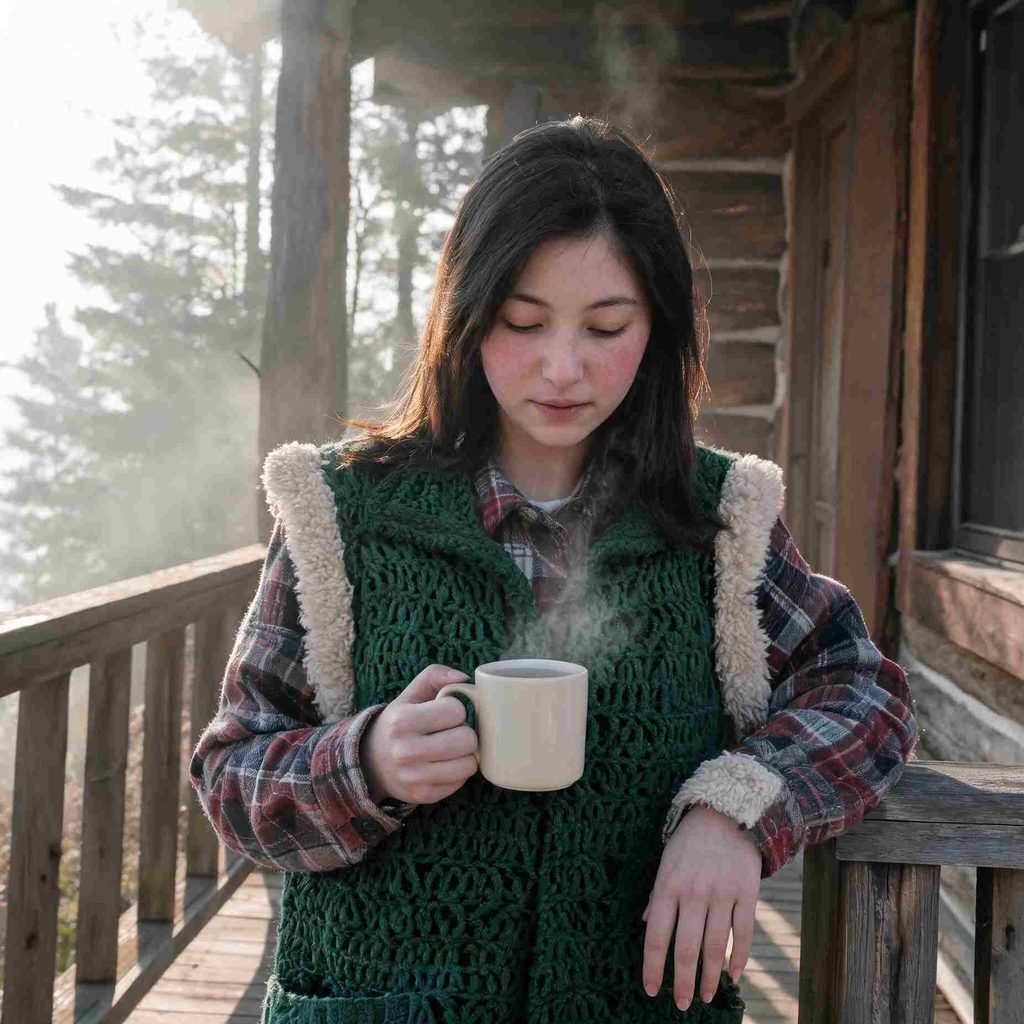
20. Sherpa-lined style vest (crocheted exterior, faux shearling trim). More advanced, more rewarding, and it photographs incredibly well for anyone building a crochet portfolio or Pinterest board.
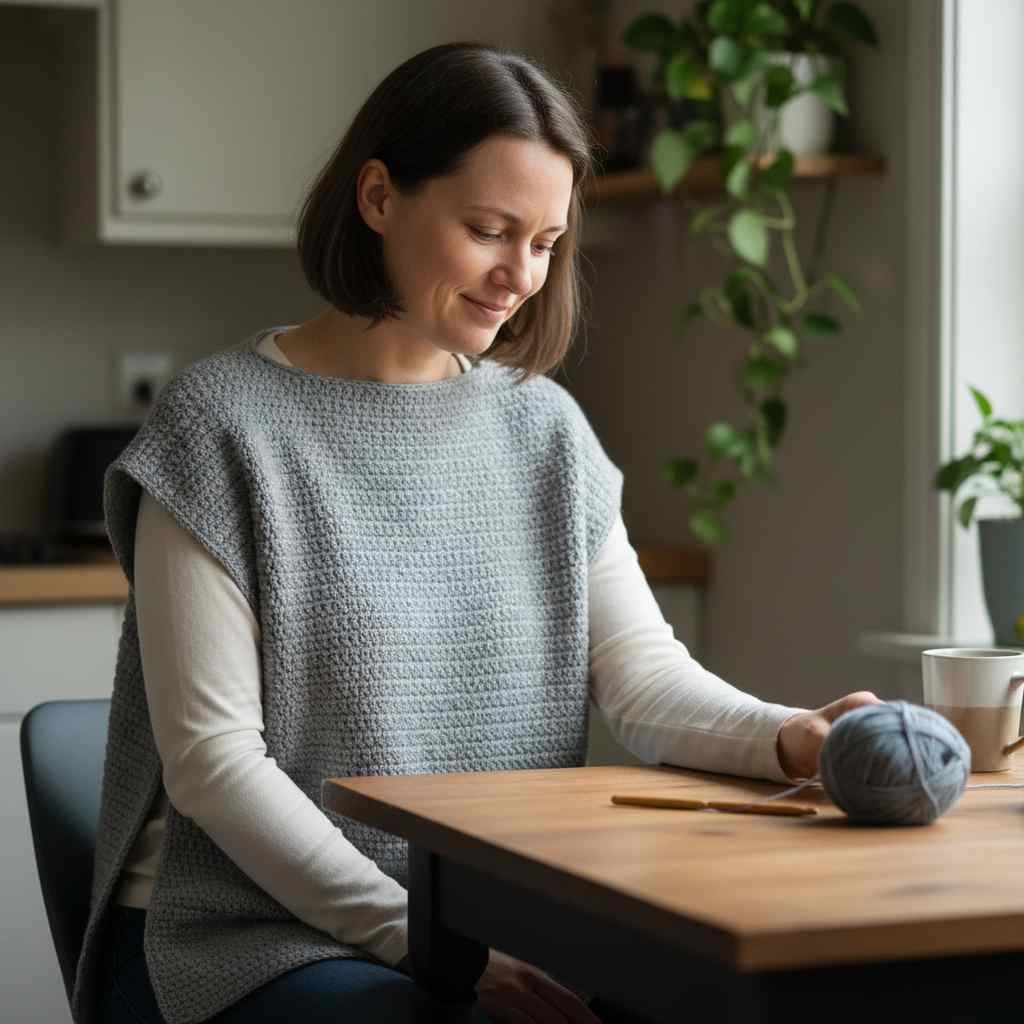
21. Simple rectangle vest. Two rectangles, a few seams, zero shaping. This is the pattern equivalent of a Tuesday.
Not exciting, but reliable, and genuinely a great confidence builder for total beginners.
Random thought that has nothing to do with stitch counts: I always crochet better when there’s a true crime documentary playing in the background instead of music.
No idea why. Something about half-attention seems to loosen up my tension. Anyone else experience this, or is it just me?
Quick comparison: which style fits your skill level
| Top style | Skill level | Typical time to finish |
|---|---|---|
| Rectangle vest / boxy tee | Beginner | 1 to 2 evenings |
| Raglan cardigan / granny tee | Beginner to intermediate | A weekend |
| Ribbed crop tee / fitted vest | Intermediate | 1 to 2 weeks |
| Duster cardigan / turtleneck tee | Intermediate to advanced | 2 to 4 weeks |
This isn’t scientific. It’s based on my own pace and the pace of a few crochet friends I’ve compared notes with, so adjust for your own speed and how much Netflix time you’re willing to sacrifice.
A few things I wish someone told me earlier
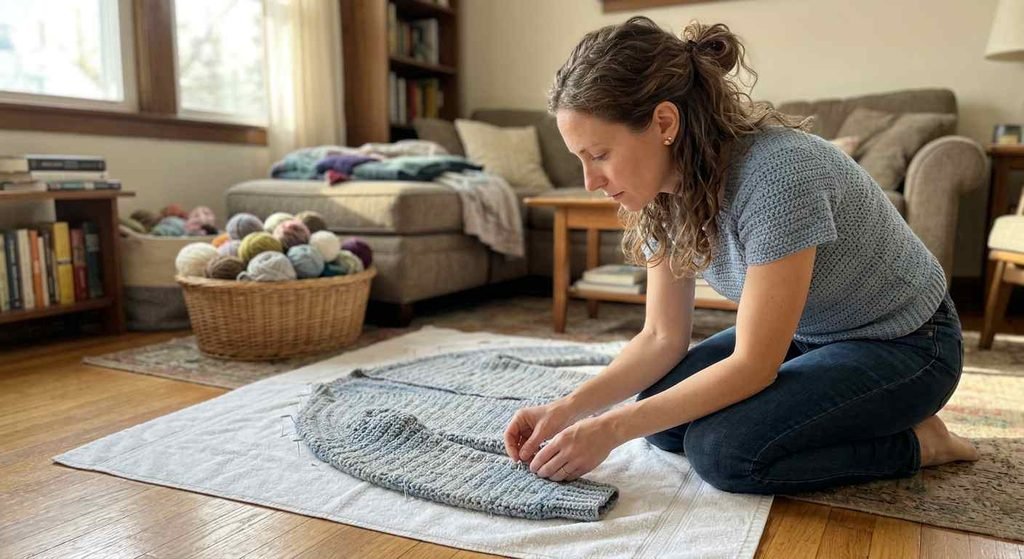
Gauge swatches matter more on garments than on scarves or blankets. Skip the swatch on a top and you might end up with sleeves that fit a giant.
Blocking changes everything. A limp, uneven cardigan straight off the hook can look genuinely professional after a proper block. I used to skip this step out of impatience. Big mistake.
Yarn weight substitutions aren’t always a 1-to-1 swap. If a pattern calls for worsted weight and you use bulky “because it’s what’s in the bin,” expect a bigger finished size than the pattern intended.
If you want a deeper dive into fiber choices before starting a bigger project, the Yarnspirations free pattern library has solid yarn weight guides alongside their pattern collections, and it’s a good habit to check gauge notes there before committing to a full sweater’s worth of yarn.
Frequently asked questions
Do I need to know how to read crochet charts to make these?
Not for most of the patterns above. Most beginner and intermediate patterns are written out in standard US crochet terms.
Charts become more common once you get into lace or colorwork, so save those for later projects.
What yarn weight works best for fall crochet tops?
Worsted weight (category 4) is the safest all-around choice for tees and lighter cardigans. Bulky yarn (category 5) works well for chunky vests and cardigans where you want quick results and extra warmth.
Can I resize these patterns for a different fit?
Yes, though it depends on the pattern’s construction. Top-down and raglan-style garments are usually easier to resize on the fly than fitted, seamed pieces.
When in doubt, checking a pattern’s Ravelry project page for other makers’ notes on sizing adjustments saves a lot of guesswork.
Final thought
Twenty-one patterns is a lot, and no, you don’t need to make all of them before the leaves finish changing color. Pick one that matches your current skill level and just start it this week.
Which one are you making first, the chunky bomber cardigan or the boxy tee? Drop it in your project queue and actually commit, future you will thank present you when the temperature drops.
