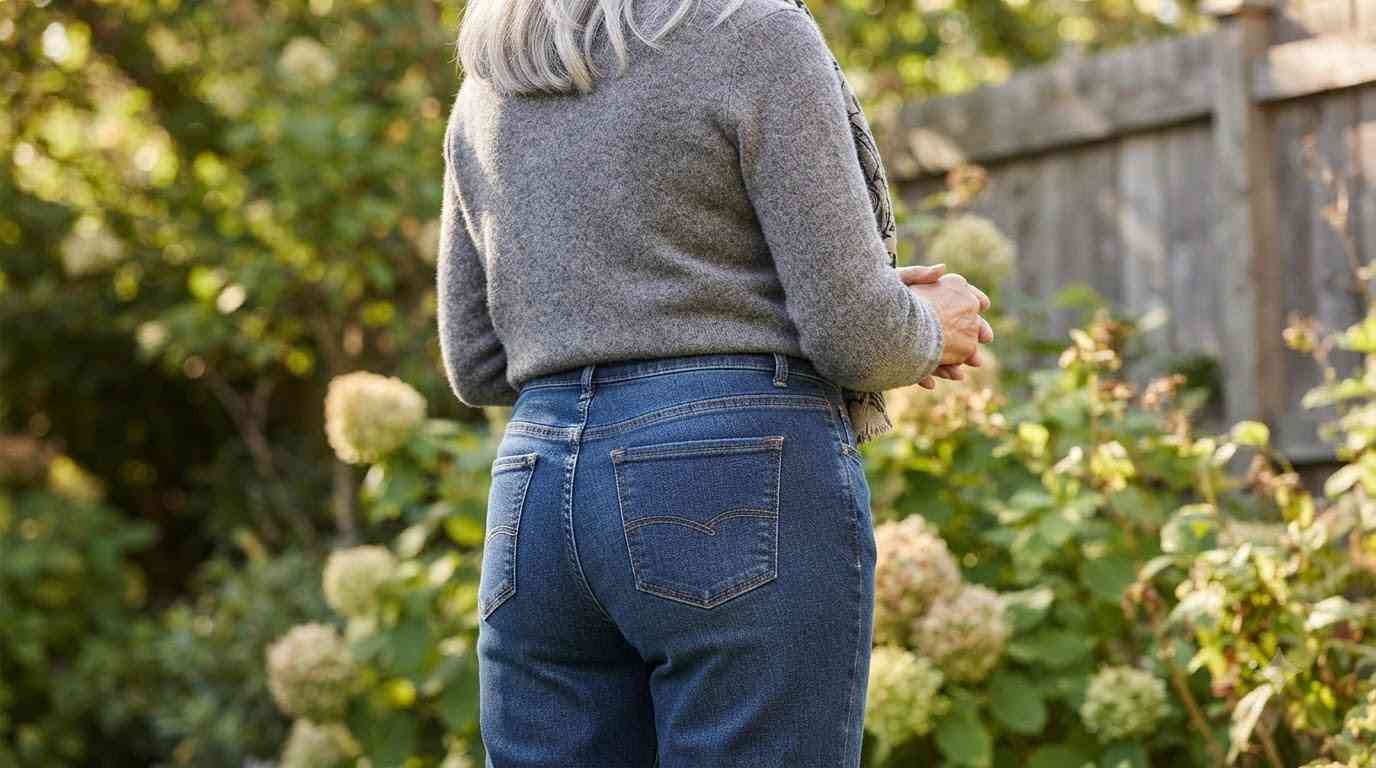
I used to think a back pocket was just a back pocket. Then I watched my mom struggle to sit comfortably in her favorite jeans for a solid five minutes before giving up and changing into sweatpants.
That’s when it hit me: pocket design matters way more than anyone tells you, especially once your body starts asking for different things than it used to.
So let’s talk about it. Not in a clinical, “here are 10 features to consider” kind of way, but like we’re actually sitting on the porch comparing notes on what works and what doesn’t.
Why back pocket design actually matters for seniors
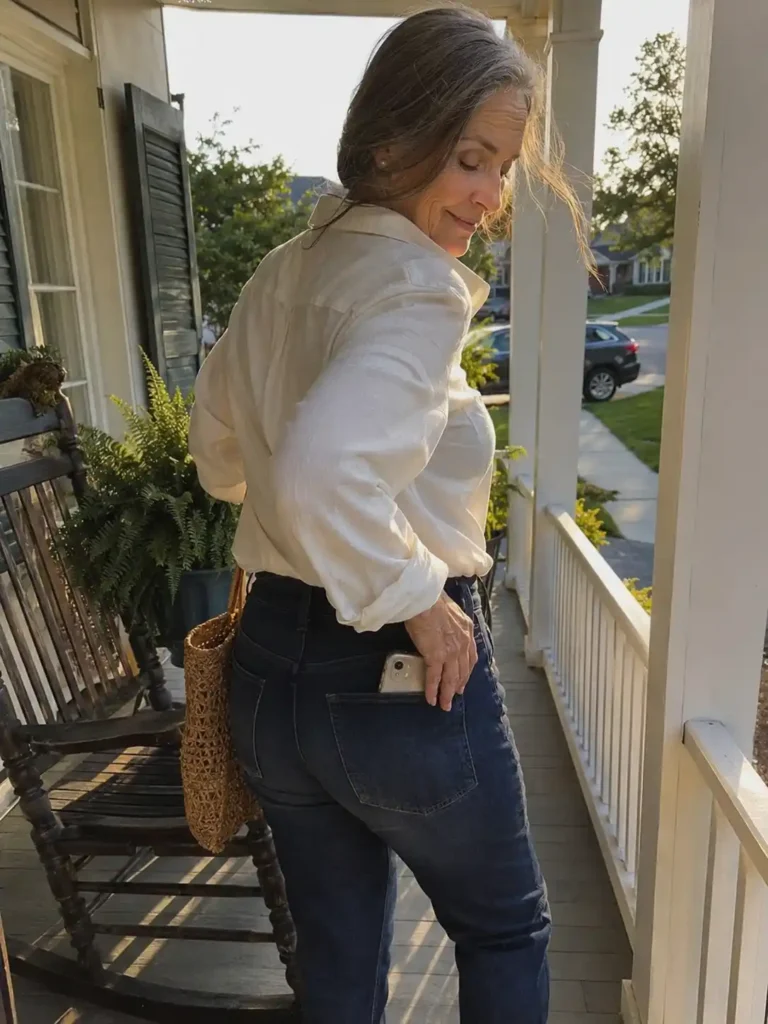
Here’s something nobody puts on the tag: a poorly placed back pocket can turn a nice pair of jeans into an hour of quiet suffering.
Sitting on a thick pocket seam for a long car ride or a doctor’s office wait isn’t just annoying, it can genuinely hurt, especially for anyone dealing with thinner skin, reduced padding, or joint sensitivity.
I learned this the hard way after buying my dad a pair of jeans with those thick, stitched-down flap pockets that looked great in the store.
Within a week he’d stopped wearing them. Too much bulk right where he sits. Lesson learned.
Good back pocket design for older adults usually comes down to three things:
- Seam placement that avoids pressure points where you sit
- Fabric thickness that doesn’t create bulk or dig in
- Pocket depth and closure that make it easy to grab a wallet or phone without twisting
None of this is complicated engineering. It’s just thoughtful tailoring, which, IMO, the fashion industry forgets about way too often when it comes to older shoppers.
Flat vs. flap pockets: which one actually wins
This is where opinions get spicy at family dinners, at least in my house.
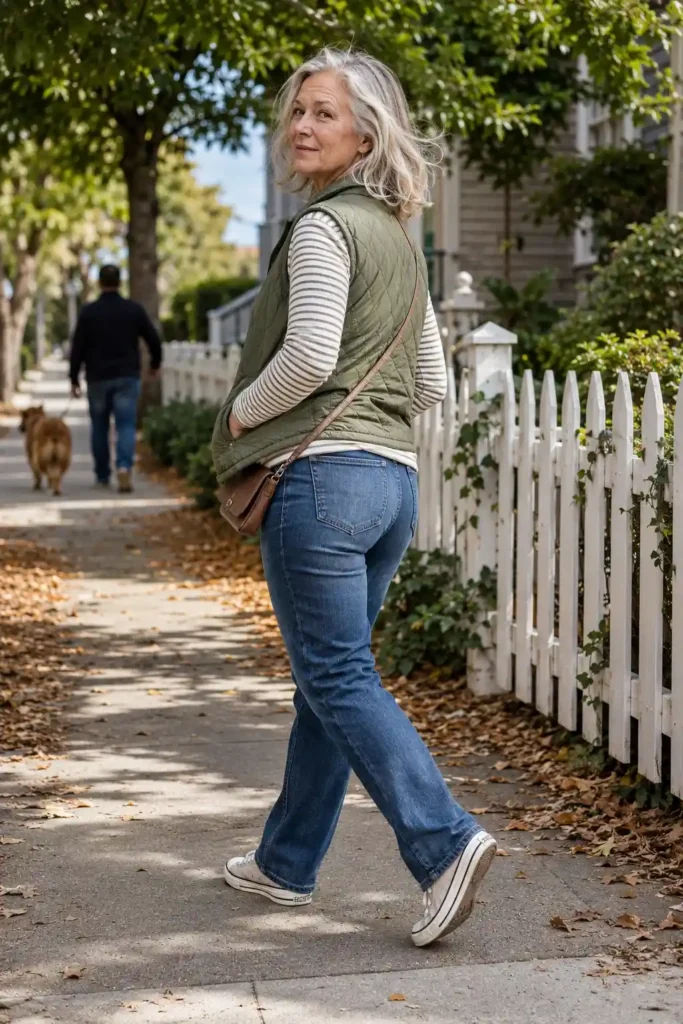
Flat back pockets sit smoother against the body. No extra fabric, no stitched flap catching on chair edges, no bulk when you sit down.
If comfort is your top priority (and honestly, why wouldn’t it be at this stage of life), flat pockets tend to win.
Flap pockets look a little more rugged and classic, sure.
But that extra layer of fabric adds thickness right where you’re sitting for hours at church, at lunch with friends, or on a long flight to visit the grandkids.
I’m not saying flap pockets are evil. I’m saying they’re not doing you any favors after age 60.
| Pocket Style | Comfort Level | Best For |
|---|---|---|
| Flat back pocket | High, minimal bulk | Long sitting, car rides |
| Flap back pocket | Moderate, adds bulk | Casual outdoor wear |
| Reinforced seamless pocket | Highest, no pressure points | Sensitive skin, arthritis |
| Elastic-edge pocket | High, stretches with movement | Active seniors, gardening |
That table isn’t scientific, just my honest read after trying more pairs of jeans than I’d like to admit over the past few years.
Elastic waistbands and how they connect to pocket comfort
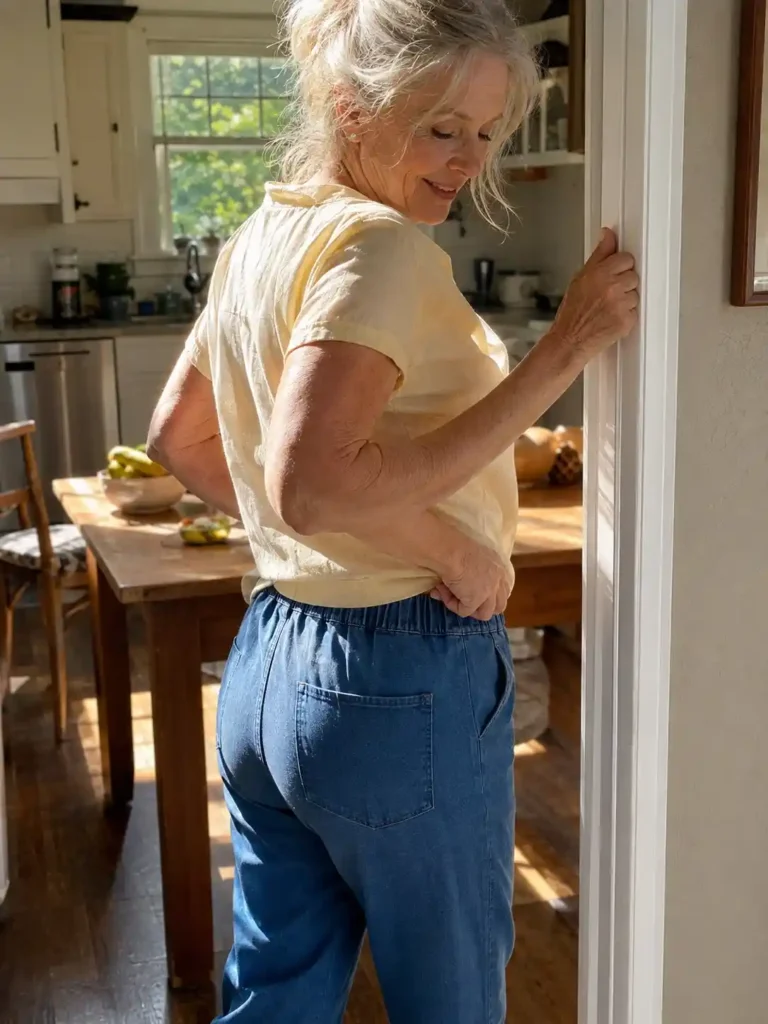
Here’s a connection people don’t usually make.
Jeans with a stiff, non-stretch waistband tend to also come with stiffer, thicker back pockets, because the whole garment is built for structure over softness.
Once a brand commits to comfort at the waist, that philosophy usually carries through to the rest of the jean, including the back.
If you’re already shopping for elastic waist jeans, you’re actually more likely to land on comfortable back pockets too.
There’s some solid research on why elastic waist jeans reduce pressure and irritation for seniors, and it lines up with what I’ve seen firsthand. Softer waistband, softer everything else.
A quick side note, and I promise this connects: my grandmother used to say clothes should “work with you, not against you.” She was talking about aprons in 1974, but honestly, the advice holds up perfectly for jeans in 2026.
Comfort features to look for beyond pockets
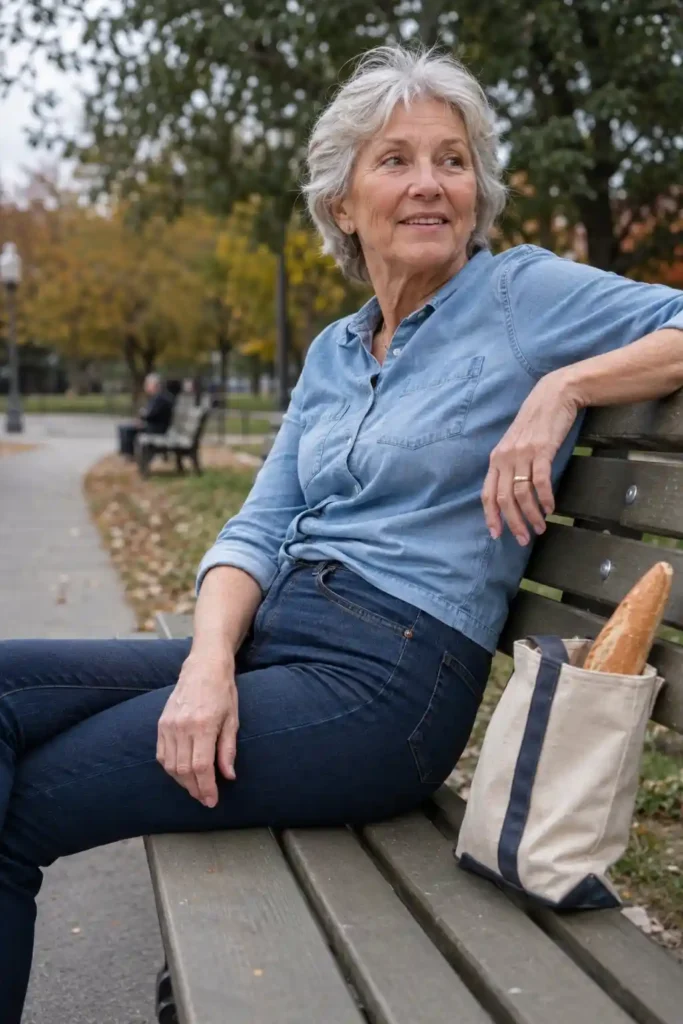
Pockets matter, but they’re one piece of a bigger comfort puzzle. When I’m helping a family member shop for jeans, I’m checking for:
- Stretch denim blends with at least 2% spandex for give without sagging
- Reinforced pocket seams that don’t create hard ridges
- Higher rise fits that stay put without constant tugging
- Wider belt loops for anyone using suspenders or adjustable straps
- Machine-washable, low-shrink fabric because ironing jeans is nobody’s idea of a good afternoon
Brands aimed at older shoppers have gotten noticeably better at this.
Some options with pull-on styles that skip zippers and buttons entirely have become genuinely popular, and for good reason.
Less fumbling with fasteners means more time actually enjoying the day.
For anyone managing arthritis specifically, the Arthritis Foundation’s dressing guidance is worth a look too.
A lot of the same principles that help with buttons and zippers apply directly to pocket and seam placement.
Style doesn’t have to take a back seat
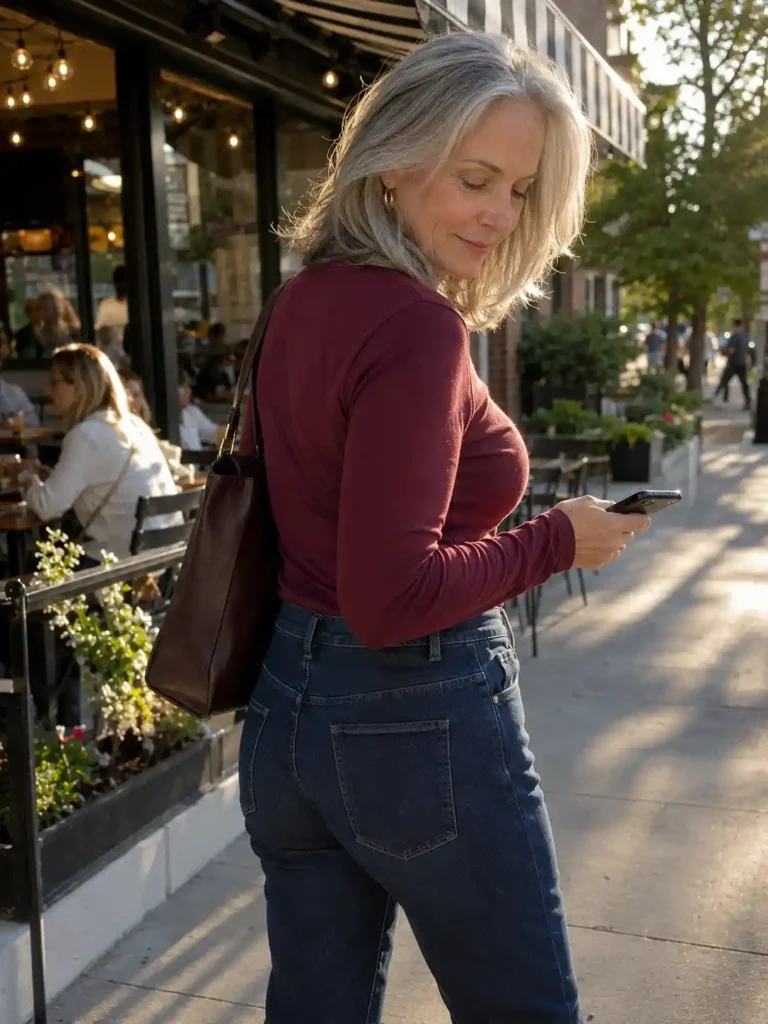
I want to push back on the idea that comfortable jeans have to look boring. That’s just not true anymore, and honestly it never should have been.
Dark wash denim with flat back pockets looks just as sharp as anything from a decade ago.
A lot of brands are adding subtle stitching details on flat pockets so you still get that classic denim look without the bulk.
My uncle wears a pair almost identical to his old Levi’s from the 80s, except now his back doesn’t ache after a two-hour lunch.
That’s the kind of upgrade that actually matters.
Ever wonder why some senior-focused jean brands still sell out fast despite higher prices? It’s not marketing tricks.
It’s word of mouth from people who finally found jeans that don’t fight their body all day.
Real talk: what I’d actually buy
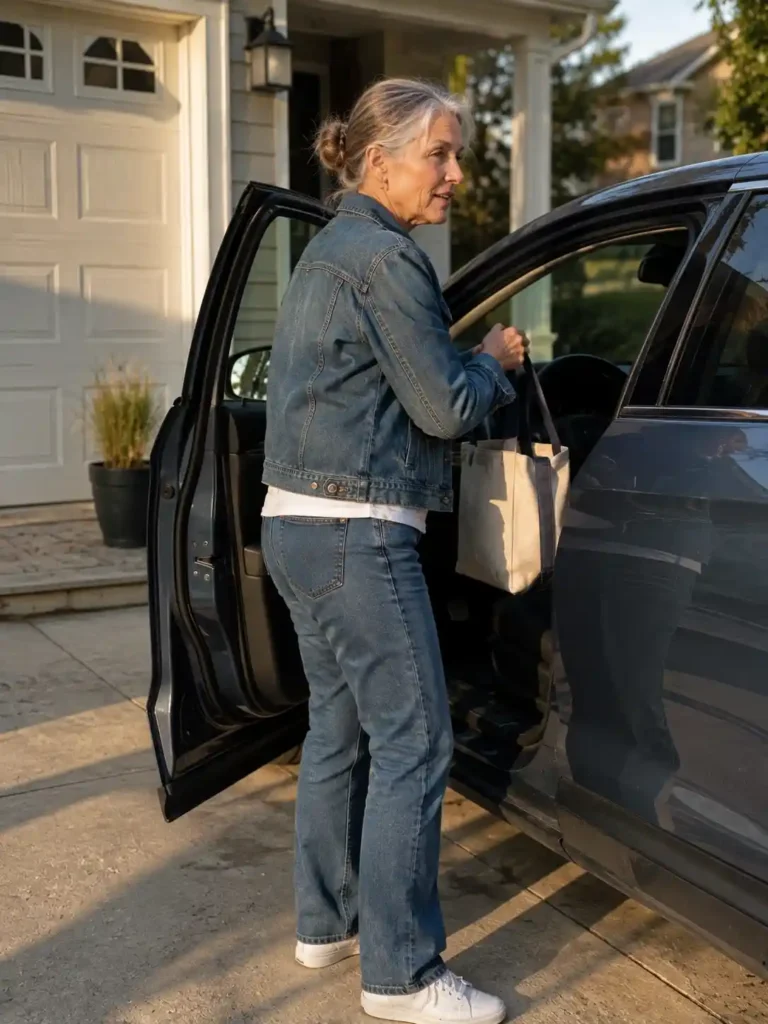
If I were shopping today, I’d prioritize flat, reinforced back pockets over flap styles every single time.
I’d look for a stretch denim blend, a comfortable rise, and pockets deep enough to hold a phone securely without it sliding out when you sit down.
Would I skip flap pockets entirely? Not always, they’re fine for short outings or gardening.
But for daily wear, sitting through meals, car rides, or long visits, flat pocket construction wins.
This isn’t a hard rule, more like a strong personal preference built from watching what actually gets worn versus what sits in the closet.
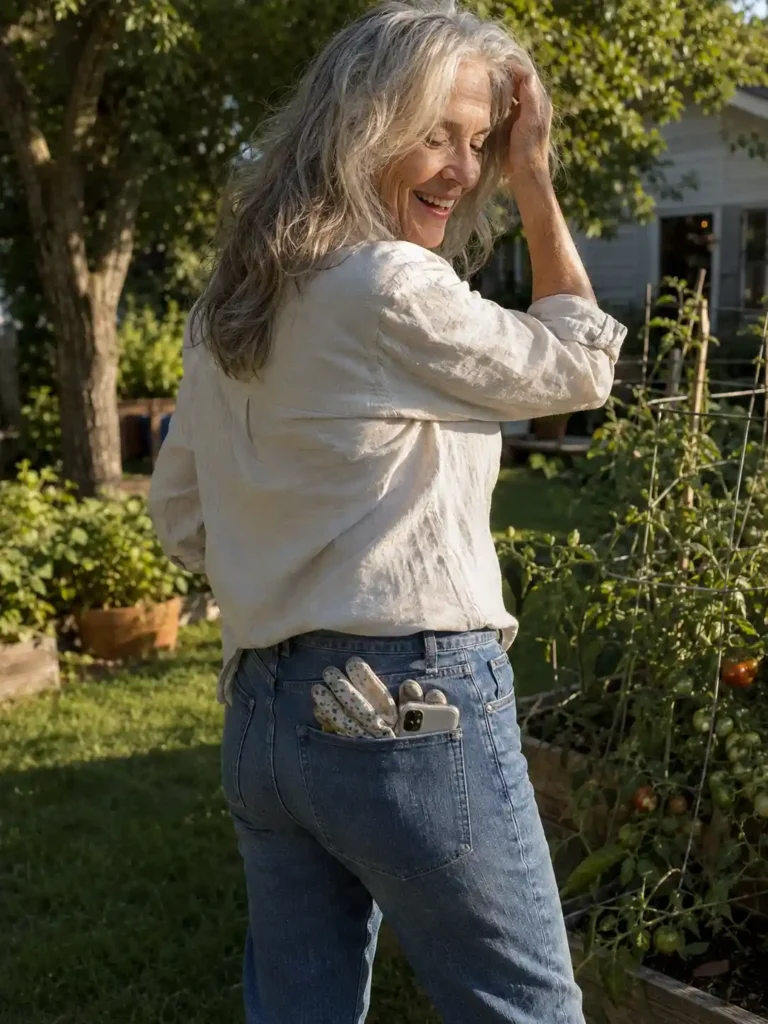
Wow, it’s a little wild how much thought goes into something as small as a back pocket, right? But that’s the whole point.
Small design choices add up to whether jeans get worn daily or shoved to the back of a drawer.
Frequently asked questions
Do flat back pockets really make a noticeable difference in comfort? Yes, especially for anyone sitting for long stretches. Less fabric bulk means fewer pressure points against chairs, car seats, or wheelchairs.
Are elastic waist jeans usually paired with better pocket design? Often, yes. Brands that prioritize waistband comfort tend to apply that same soft-construction approach to the back pockets and seams.
Can stylish jeans still be comfortable for seniors with arthritis? Absolutely. Adaptive and senior-focused denim lines now offer flat pockets, stretch fabric, and easy closures without sacrificing a classic look.
Final thought
Jeans should feel like they’re on your side, not something you have to tolerate to look put together.
Pay attention to the back pockets next time you shop, they honestly tell you more about comfort than almost any other detail on the jean.
What’s your experience been, flat pockets or flap pockets?
Drop your favorite comfortable brand in the comments, I’m always hunting for the next pair worth recommending.
