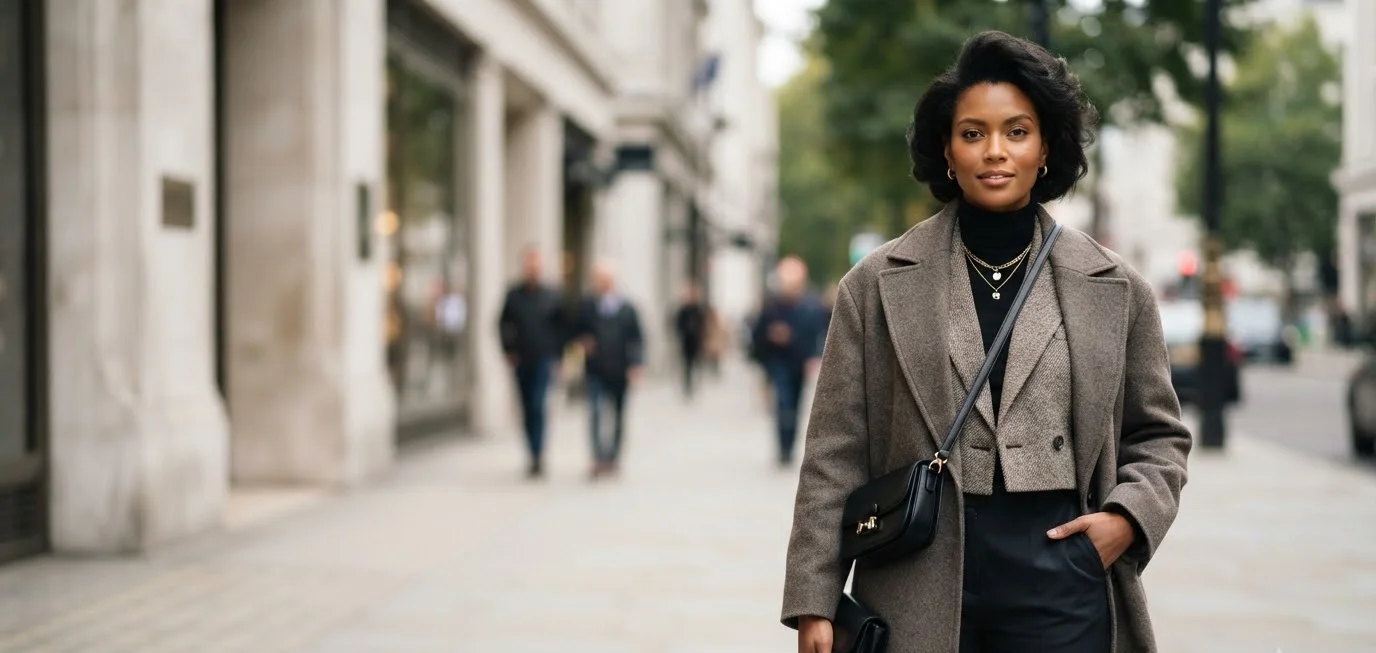
Here’s the thing nobody tells you: luxury fashion isn’t actually about looking like you spent your rent money on a single outfit.
It’s about understanding what works, why it works, and how to make high-end pieces feel like they belong in your actual life.
I started learning this the hard way about five years ago when I bought my first designer bag and then… just let it sit in my closet because I was terrified of wearing it.
Turns out, designer pieces are meant to be worn. Not preserved like museum artifacts.
The real secret to wearing designer trends everyday? It’s not about owning everything from the runway.
It’s about mixing one or two investment pieces with basics you probably already have. That’s the shift that changed my entire approach to fashion.
The Designer Paradox: Why Expensive Doesn’t Mean Uncomfortable
Here’s what I’ve learned after actually integrating high fashion into my daily wardrobe: designer pieces work better when you stop thinking of them as precious.
They’re clothes. Really well-made clothes, but clothes nonetheless.
Designer items typically feature superior construction. Better fabrics, tighter seams, attention to detail that mass-produced garments just can’t match. When you buy a luxury item, you’re paying for longevity.
A well-made designer blazer will outlast ten fast-fashion alternatives. I have a Loro Piana sweater I’ve been wearing for six years.
It looks better now than it did when I bought it because quality improves with age (and proper care, obviously).
But here’s where people mess up: they buy one expensive piece and then treat it like it’s made of spun glass.
Then it never gets worn, and suddenly it’s just an expensive regret hanging in your closet. That’s the opposite of what you want.
The actual win? Mixing investment pieces with affordable basics. This is where the strategy lives.
You wear that designer blazer with jeans from literally anywhere. That luxury handbag?
Pair it with high-street everything else. This approach makes your entire wardrobe feel elevated without requiring you to mortgage your future.

Building Your Designer Everyday Wardrobe
Let me be direct: you don’t need to own a lot of pieces to look intentional. You need to own the right pieces.
Start with Neutrals and Classic Cuts
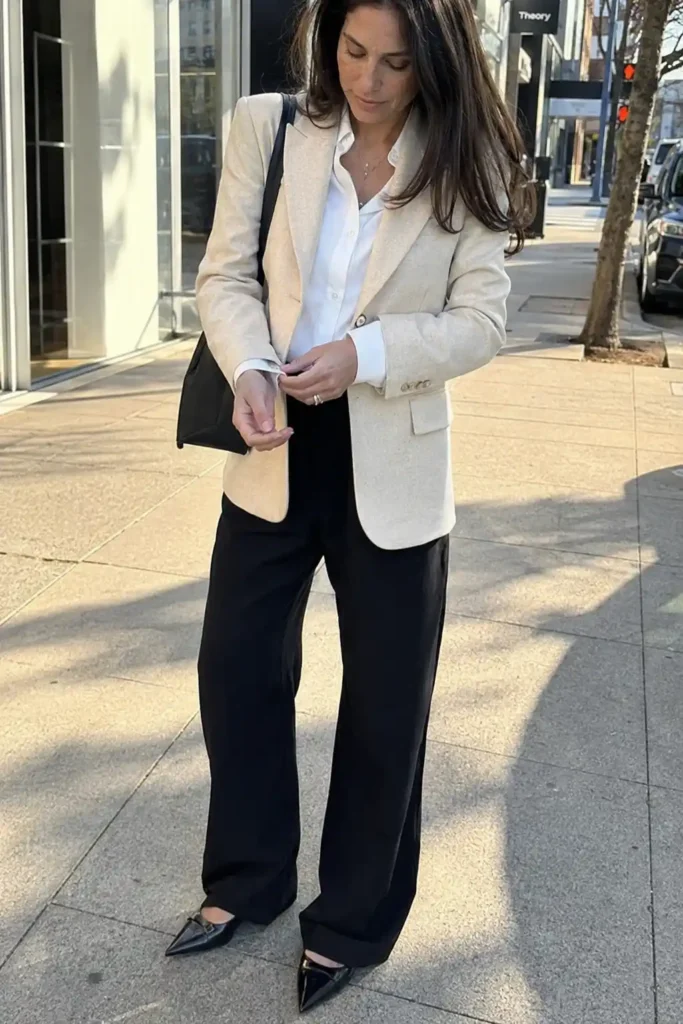
The best decision I made was investing in basics first. I’m talking about items that won’t date themselves in six months.
A perfectly fitted cream blazer. Black wide-leg trousers. A white button-down shirt that actually fits your body.
These pieces sit underneath everything else. They’re the foundation.
Designer basics cost more upfront, but here’s why it matters: they hold their shape. The stitching doesn’t come loose.
The fabric doesn’t pill. After wearing my Joseph trousers about 200 times, they look identical to day one. That’s the difference you’re paying for.
You can get away with cheaper basics if you prefer. Honestly, I do that too sometimes.
The key is knowing which items deserve the investment and which don’t. Blazers? Worth it. Trousers that fit perfectly? Absolutely. Basic t-shirts? You can find great ones for $20.
The One-Statement-Piece Rule

This is genuinely my favorite guideline. Pick one standout item per outfit. That’s it.
Maybe it’s a Bottega Veneta bag. Maybe it’s Valentino sneakers. Maybe it’s a
Balenciaga oversized blazer. The rule is simple: if your statement piece is bold, everything else gets quiet.
If you’re wearing a dramatic designer coat, your accessories and base layers should whisper, not shout.
I see people trying to wear three statement pieces at once and wondering why they look like they’re auditioning for a fashion show rather than just… existing. Designer pieces command attention.
Use that power wisely. One statement piece elevates everything around it. Three just becomes noise.
Finding Designer Pieces That Actually Make Sense for Daily Wear
Not every designer trend works for actual humans doing actual things. You can’t wear a Schiaparelli lobster dress to the grocery store.
Well, you can, but should you? (Probably not unless you want to become a local legend.)
The designer pieces that work everyday are the ones designed with function in mind. Look for:
- Tailored silhouettes that work with your body, not against it
- Versatile colors that pair with things you already own
- Quality fabrics that age well and handle real life
- Designs without expiration dates (trends date fast; classics don’t)
I made a mistake early on buying a heavily branded designer piece—like, the logo was EVERYWHERE. Wore it twice.
Now I prefer pieces where the quality speaks for itself. No need for branding to prove anything.
The way it drapes, the weight of the fabric, the perfect seam—that’s the flex that actually matters.
High-Impact Designer Basics Worth Your Money
| Item | Why It Matters | Expected Lifespan | Styling Versatility |
|---|---|---|---|
| Tailored Blazer | Creates instant polish | 5-7 years | 100+ outfits |
| Premium Denim | Holds shape and color | 3-5 years | Casual to semi-formal |
| White Button-Down | Foundation piece | 4-6 years | Infinite combinations |
| Structured Handbag | Works as investment | 5-10 years | Every outfit category |
These four items carry more weight in your wardrobe than any trendy piece could.
A quality blazer aged gracefully is worth more than this season’s it-bag. FYI, I still reach for my Agnona blazer at least twice a week, years later.
The Real Cost of Designer Pieces (And Why It’s Not Always What You Think)
Let’s talk math for a second. That $2,000 designer blazer seems expensive until you do the math.
If you wear it 150 times per year for five years, you’re looking at roughly $2.67 per wear.
Compare that to a $150 blazer you replace annually—you’re actually spending more money over time while getting worse quality.
This isn’t me justifying wasteful spending. This is basic economics. Investment pieces cost more upfront but cost less over time.
The trap? Buying expensive pieces you don’t actually wear. That’s when luxury becomes waste.
Here’s my honest take: buy less, choose better, and actually wear what you buy. That’s the formula.
I’d rather own five pieces I rotate constantly than twenty pieces I wear occasionally.
The designer marketplace has shifted too. You don’t have to buy new anymore.
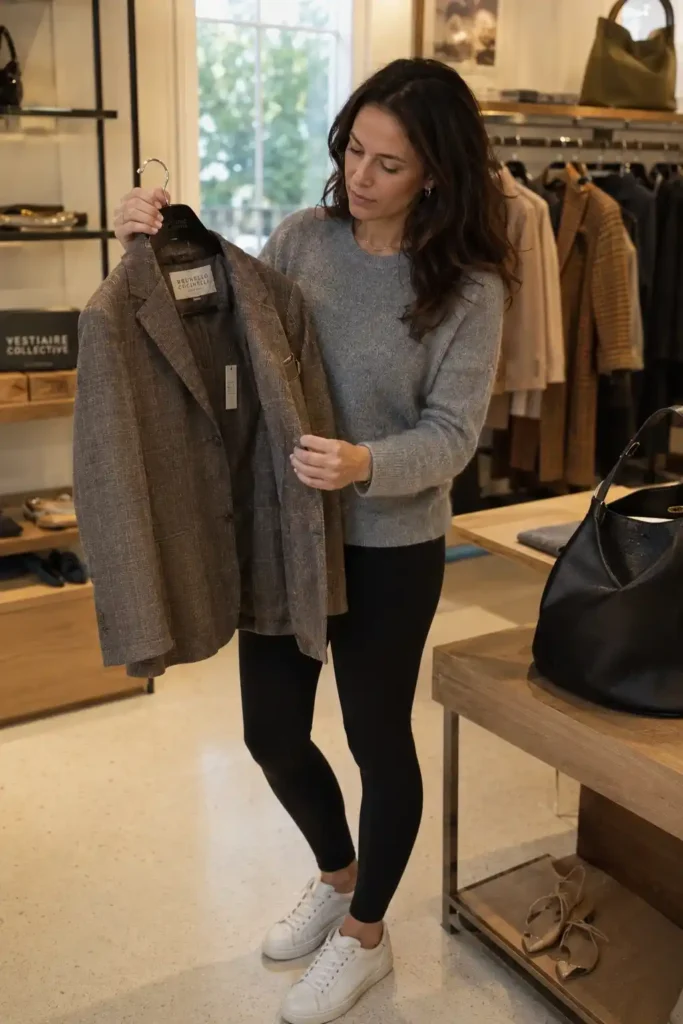
Resale platforms like Vestiaire Collective and The RealReal have completely changed the game.
I bought an Hermès scarf there for less than retail price. Still authentic, still perfect, still looks expensive (because it is). Just smarter acquisition.
Styling Your Designer Pieces Without Looking Try-Hard
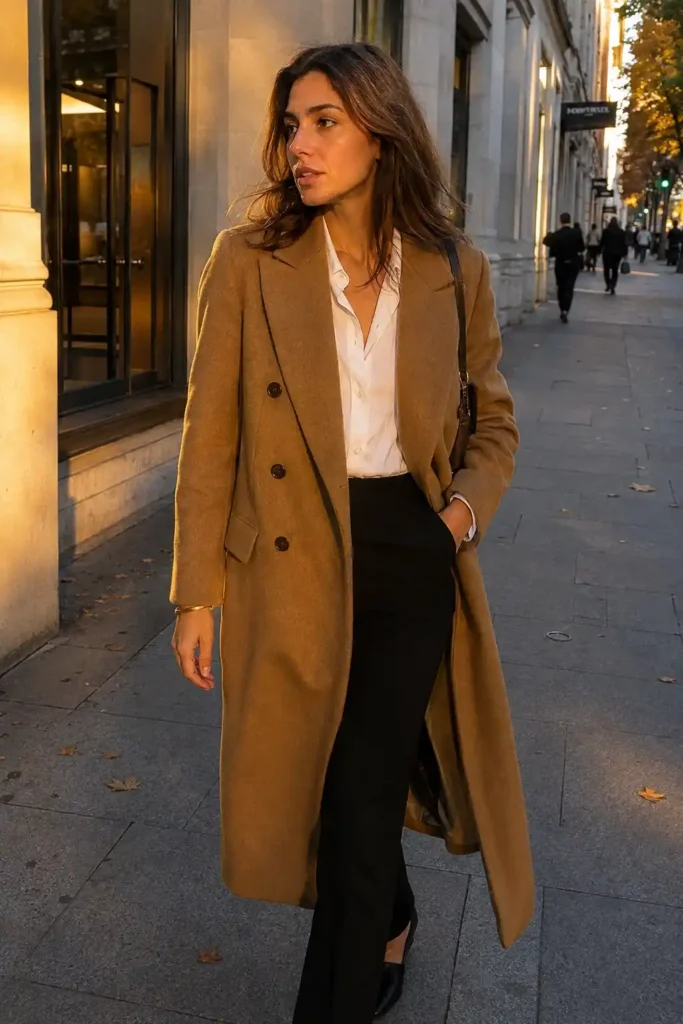
This is where the real skill lives. Anyone can buy an expensive bag. Not everyone knows how to wear it without broadcasting “I just spent way too much money on this.”
The magic word? Restraint. One expensive item per outfit. Everything else intentionally understated.
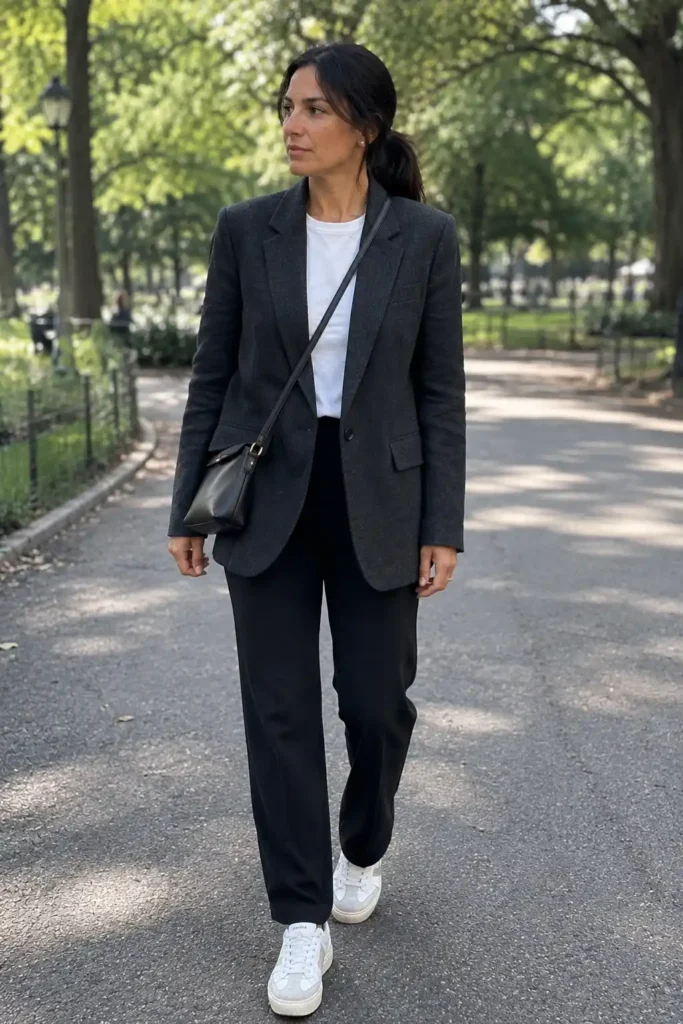
When I wear my Celine coat, I pair it with simple black trousers and a basic white shirt.
The coat carries the entire outfit. When I wear my Loewe bag, I keep jewelry minimal.
The bag doesn’t need competition. This approach makes expensive pieces feel effortless rather than trying-so-hard.
Mixing price points is literally the whole strategy. Your designer piece sits next to your Zara jeans and your H&M sweater.
This combination says “I know what I’m doing” rather than “Look at my designer piece.” That distinction is everything.
Building Outfit Combinations
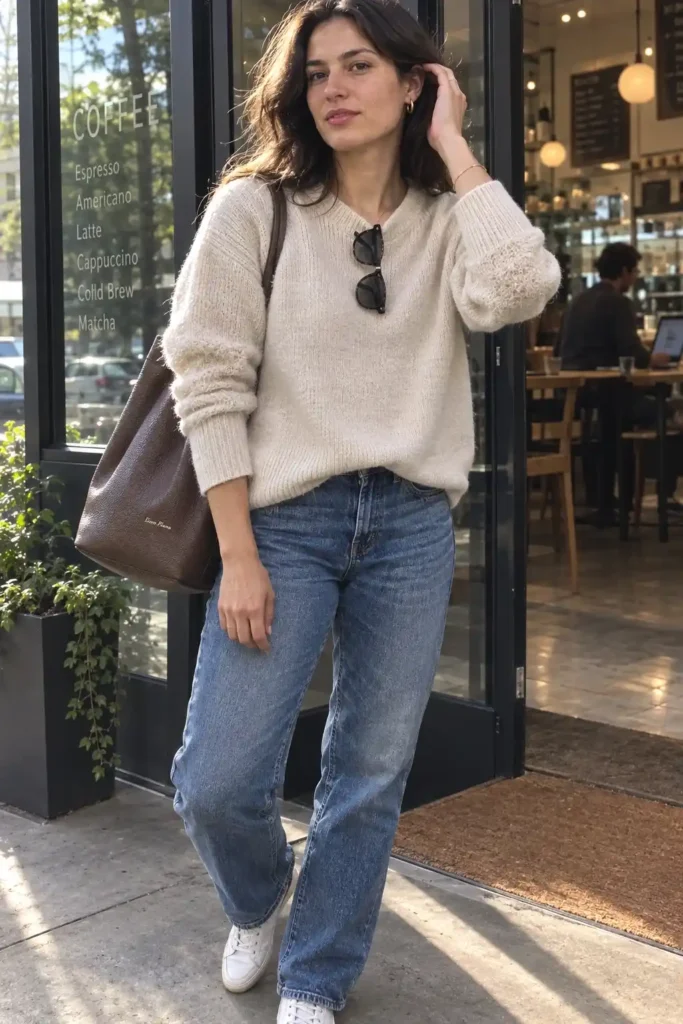
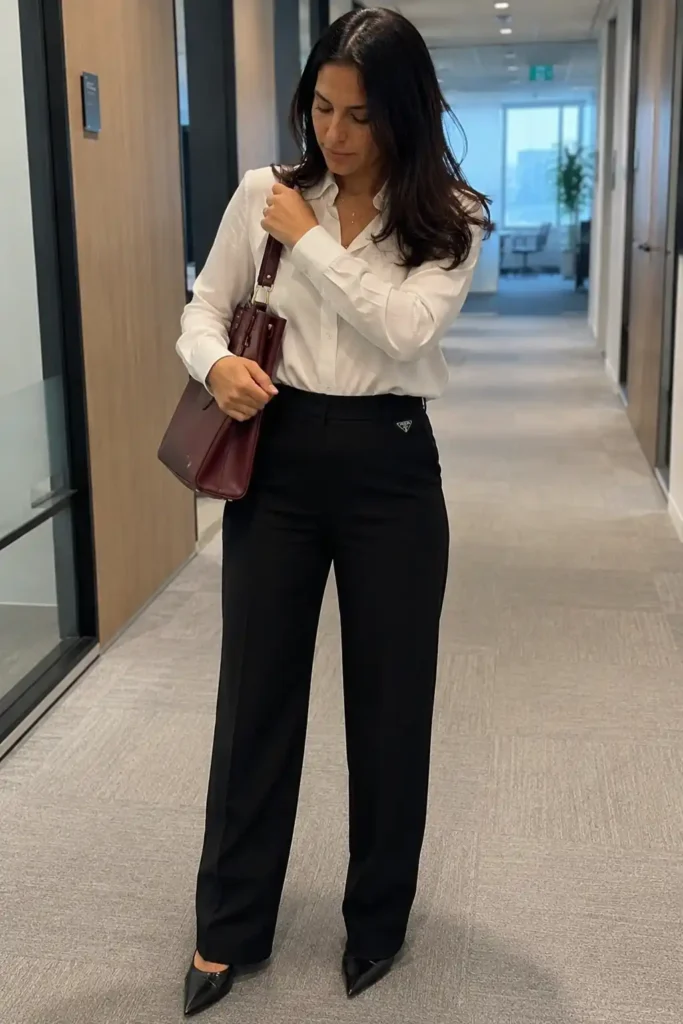
Start with a neutral base layer (think: black trousers, white button-down). Then add your statement piece.
Then finish with affordable accessories. This is the formula that works.
I find that designer pieces from minimalist brands work best for everyday wear. Brands like COS, Jil Sander, and Studio Nicholson design with restraint.
Their pieces are expensive because they’re constructed beautifully, not because they’re loud.
Imagine putting that alongside a budget-friendly basics situation. Instantly elevated.
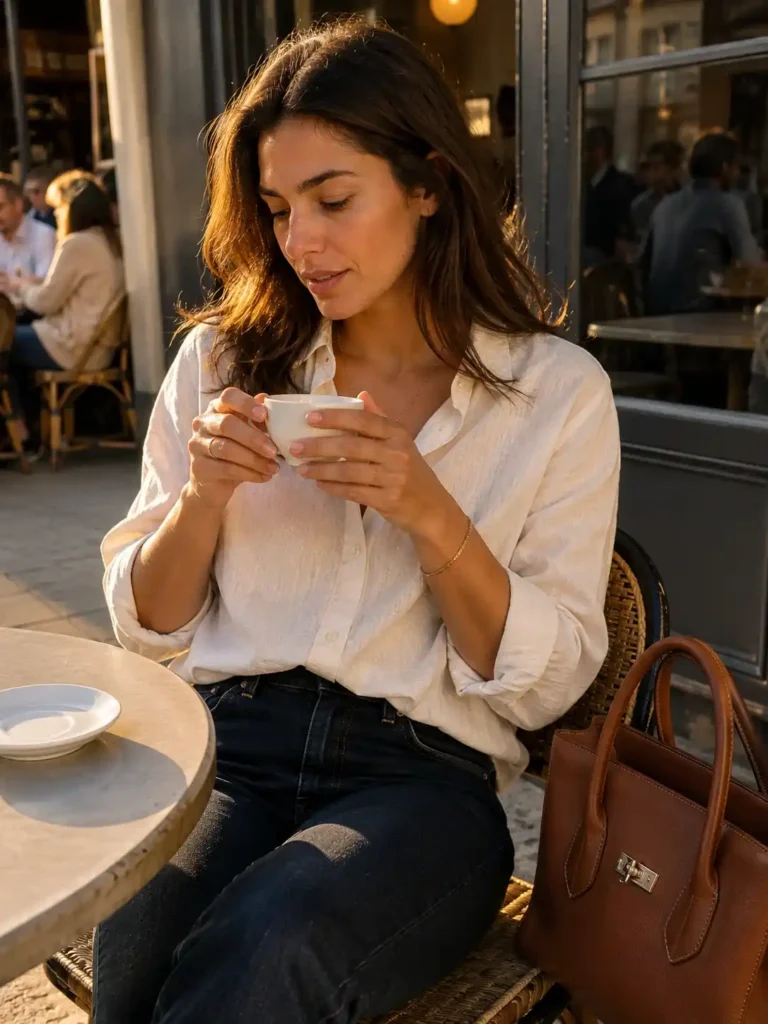
The psychology here is actually fascinating. People register quality when it’s understated.
A boldly branded piece gets dismissed as “expensive.” A quietly perfect piece gets mistaken for something you’ve had forever. That’s the real win.
Common Mistakes People Make When Wearing Designer Pieces
I’ve watched friends make some genuinely painful fashion choices with their expensive purchases, so let me save you from these mistakes:
Over-accessorizing: Designer pieces are statements on their own. Adding three more statements creates clutter. Keep accessories minimal when wearing one expensive item.
Wearing designer with other loud pieces: A patterned designer bag with a patterned dress with statement jewelry equals visual chaos. Let each piece breathe.
Buying for the brand, not the design: That logo-heavy piece? It’s going to feel dated in two years. Quality and design longevity matter more than branding.
Neglecting fit: This absolutely floors me. People drop serious money on pieces that don’t fit properly.
Designer sizing is weird sometimes. You might be a size 8 in one brand and size 6 in another. Get things tailored. That’s where your money actually goes.
Treating them like precious objects: I said this before, but I’m saying it again. Wear your designer pieces.
Not wearing them because they’re “too nice” is how you end up with closet full of regrets. Actually use what you buy.
The Psychology of Wearing High Fashion on Repeat
Here’s something that shifted my entire perspective: wearing designer pieces every day actually changes how you feel. This isn’t vanity—there’s actual psychology here.
When you wear something well-made, you move differently. You carry yourself differently.
The quality of fabric against your skin reminds you that you made a deliberate choice to invest in yourself. That matters more than people admit.
I noticed this shift immediately when I started wearing my good pieces regularly instead of saving them.
My posture improved slightly. I stopped fidgeting with my clothes because the quality felt right.
I felt more confident not because of the label, but because the piece genuinely worked with my body.
This is why wearing designer pieces everyday makes sense. You’re not just wearing clothes—you’re wearing something engineered to make you feel good. That’s worth the investment if you’re actually going to experience it.
Shopping Smart: Where to Find Sustainable Designer Pieces
Let me be honest: buying new designer every time isn’t sustainable (or possible for most people). That’s where smart shopping comes in.
End-of-season sales at department stores are goldmines. I got my Loro Piana sweater at 50% off during end-of-winter clearance. Same piece. Same quality. Half the price.
Resale platforms are genuinely where it’s at now. Vestiaire Collective has literally thousands of authenticated designer pieces. Depop if you want something more vintage-leaning.
Grailed for menswear. These platforms changed everything for me because I can afford pieces I absolutely couldn’t buy new.
Outlet stores are worth exploring, though quality varies. Prada’s outlet (if you can reach one) actually stocks real pieces, not outlet-specific lower-quality versions. Most others… mixed results.
Wait for specific sales events. Nordstrom Anniversary Sale if you’re in the US. Net-a-Porter sale events. SSENSE sales. These are predictable and substantial.
One random thought: I’ve actually built better relationships with independent boutiques than department stores.
They know their inventory, remember what pieces work for specific clients, and often alert you when something matches your style arrives.
That relationship-building approach to shopping feels human in a way that online-only doesn’t. Weird to mention in a digital article, but it’s genuinely changed how I shop.
Designer Pieces for Different Lifestyle Situations
Not every lifestyle requires the same designer investment. Here’s what actually makes sense based on how you live:
If you work in a creative field: Invest in a blazer and interesting accessories. A good bag. Keep everything else flexible.
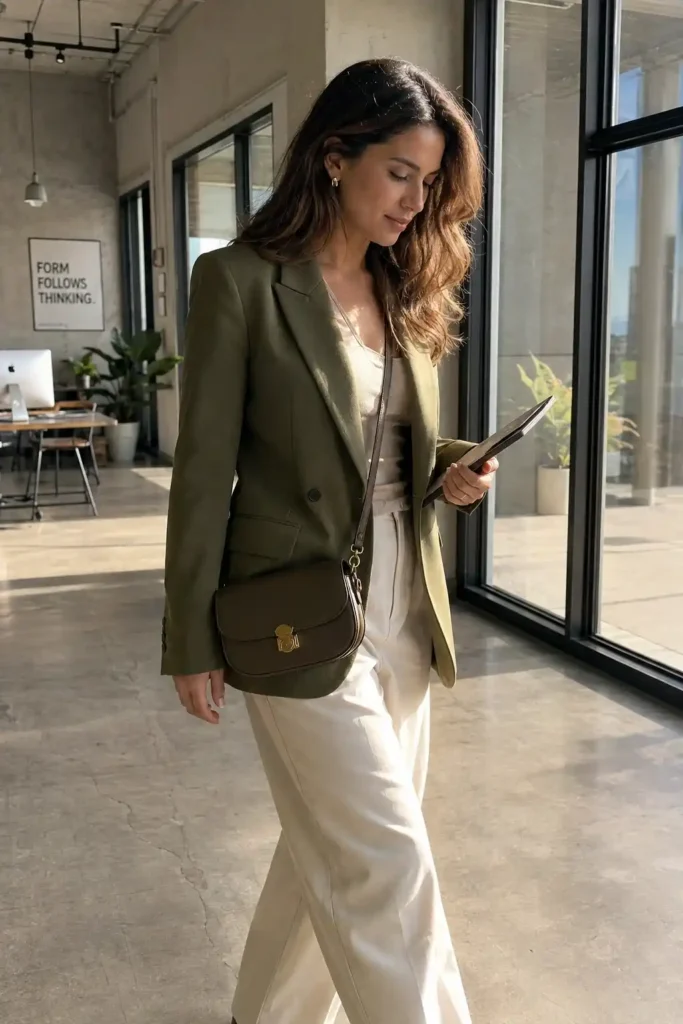
If you work in a corporate environment: Tailored blazers, quality trousers, structured bags, and simple jewelry. Classic pieces that age well.

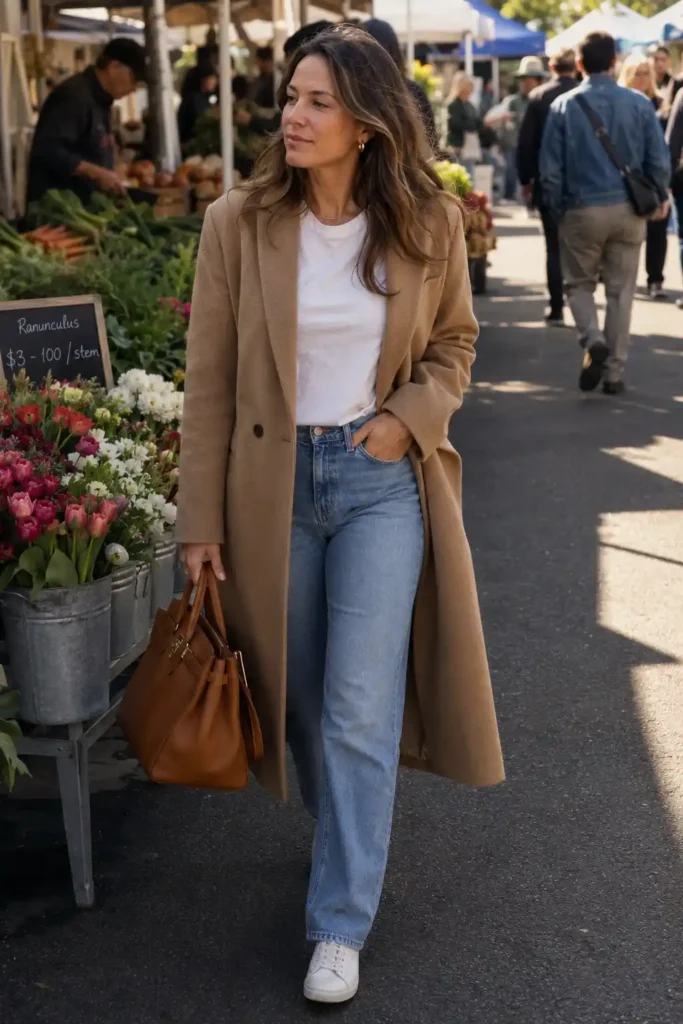
If you’re mostly casual: A quality coat, great jeans, one nice bag. These pieces elevate casual wear instantly.
If you have an active lifestyle: Skip the white clothes. Skip the impractical pieces. Focus on quality basics that handle actual life.
The point here is this: your designer investment should match your actual life, not your fantasy life.
I bought a white designer coat once because it looked stunning. I wore it twice before realizing I live a chaotic life where white coats don’t belong.
Now it’s a regret hanging in my closet. Learn from my mistakes.
The Future of Designer Everyday Wear
Fashion is shifting. People care less about proving status and more about sustainability, quality, and actual style.
That’s good news for people wanting to wear designer pieces without feeling like they’re performing status.
The trend right now (and this actually seems to be sticking) is “quiet luxury.” Expensive pieces with no logos.
Materials so good they speak for themselves. Designs so subtle they go unnoticed by everyone except people who actually know clothing.
This is the smartest designer movement in years because it’s based on actual quality, not perceived status.
This shift makes everyday designer wear actually achievable. You don’t need the loudest piece in the room.
You just need something that works beautifully and lasts forever.
Suddenly your budget can stretch further because you’re buying based on longevity, not recognition.
Quick Reference: Everyday Designer Styling Tips
Here’s the practical stuff distilled:
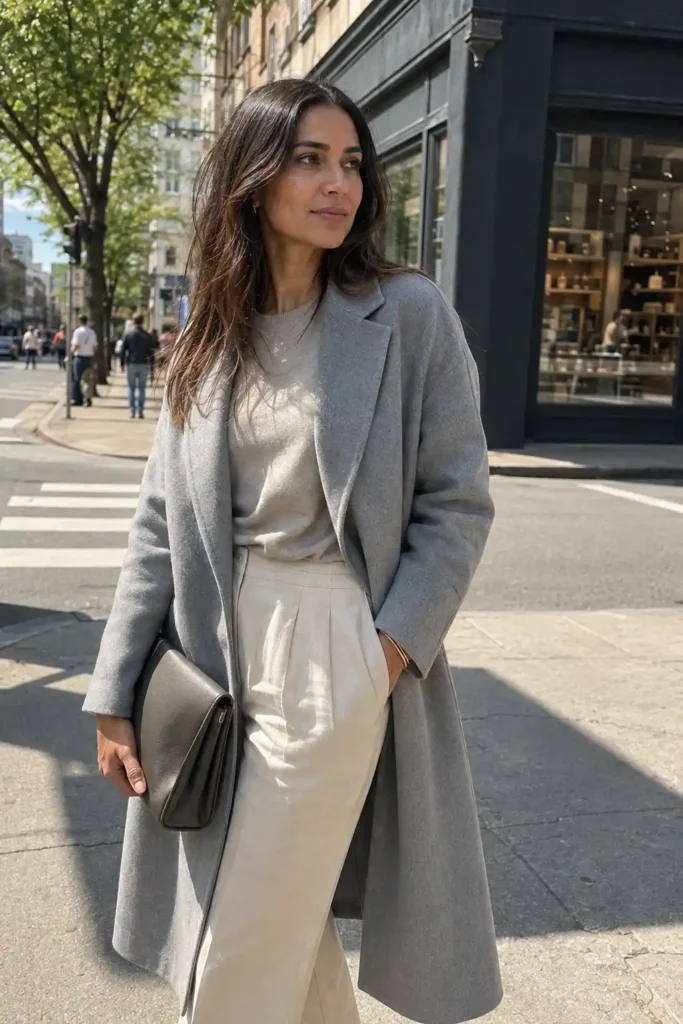
- Wear one statement designer piece per outfit, everything else understated
- Mix price points deliberately—designer + affordable basics
- Invest in items you’ll wear constantly (blazers, quality jeans, bags)
- Skip heavily branded pieces in favor of quietly excellent design
- Buy resale for better prices on the same quality
- Fit matters more than size—get things tailored
- Actually wear what you buy instead of preserving it
FAQs
Q: Is it really worth spending $2,000 on a designer bag when I can get one for $50?
A: Depends on your definition of worth. If you wear it 200 times, absolutely. If it sits unworn, then no designer bag is worth it, regardless of price. The real question is whether you’ll actually use it. A $50 bag worn twice is more expensive per wear than a $2,000 bag worn 300 times. Calculate it out.
Q: How do I know if a designer piece will actually fit my body?
A: Try it on if possible. Designer sizing varies wildly between brands. A size 8 at Loro Piana might be a size 10 at Celine. Online, check return policies. Most luxury retailers have 30-day returns for a reason. Use them. Fit is non-negotiable, even with designer pieces.
Q: Can I actually wear designer pieces in casual situations without looking overdressed?
A: Yes, if you keep everything else quiet. A Loro Piana sweater with jeans and sneakers doesn’t read as overdressed—it reads as someone who appreciates quality. The problem is when you pair expensive pieces with other expensive pieces. That reads as trying too hard. One piece carries the entire outfit.
The Final Thought
Here’s what I’ve learned after years of figuring this out: wearing designer pieces everyday isn’t about being rich. It’s about being intentional. It’s about understanding what quality actually means and choosing to invest in pieces that make your life better, not more complicated.
Start small. Buy one good piece. Wear it constantly. See how it changes your perspective on what quality actually is. Then make your next purchase accordingly. That approach—slow, deliberate, based on actual use rather than aspiration—is how you actually build a wardrobe worth maintaining.
The goal isn’t to wear only designer. The goal is to wear less, better. To own pieces you genuinely reach for. To stop accumulating things and start investing in things. Designer pieces are part of that strategy, but they’re not the only part.
What does your ideal everyday wardrobe actually look like? What’s one designer investment that would change how you feel getting dressed?
